



A few days after losing the Dallas final, Taylor Fritz wasn’t replaying the match with anguish so much as giving it an audit. There was disappointment, yes, but mostly unemotional calibration.
“If I knew I had match points to win a title and lost, I’d expect to feel a lot worse,” he said in Delray Beach this week. “It hurt, but… I look back at the chances I had, and I feel like in the moment, without hindsight, I wouldn’t have played any of them much differently.”
What stuck with him wasn’t so much that tense window of opportunity but the loss of his most powerful weapon that came after.
“I’d say the bigger regret that I have is just not snapping back and playing a better service game,” he said. “If I just kept on par with the way I was serving for the whole tournament, then it could have been different.”
It’s a very Fritz way to process a match—not so much replaying the pain as sorting the variables. He’s always been especially comfortable talking about his tennis, without much defensiveness or hype. The assessments tend to be direct and unsentimental, whether he’s describing what worked or what didn’t.
That same clarity shows up in the way he competes. Fritz’s grit is well-known—the matches he hangs around in physically when many would retire, the Slam wins he pulls off when he’s two sets down—but when asked where that part of him comes from, he shrugs it off as his baseline setting.

“I’ve just always kind of been like that,” he said. “Maybe it’s something my dad instilled in me. I’m not sure. But it definitely comes from a young age. I just never liked to give up or quit—and when I have, I just hate that feeling.”
Even in Delray this week, playing with what he described as a couple pain points physically—a choice that’s drawn some outside critique—the decision to compete didn’t feel like much of a question.
“For me, it’s nothing that’s really going to stop me from playing,” he said. “Especially when I live right here in Miami.”
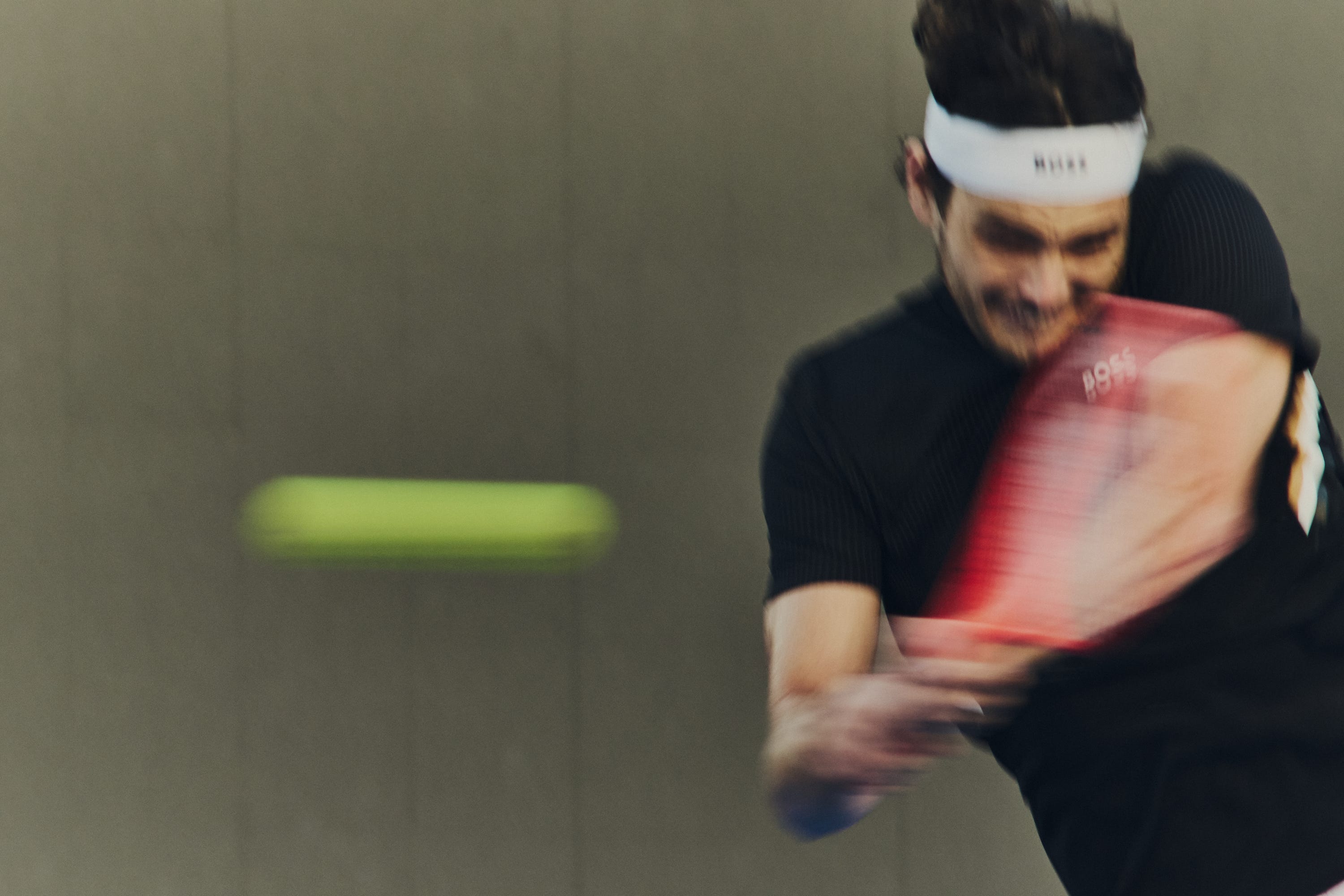
If quitting isn’t really in his range, doubt doesn’t seem to be either.
“Self-belief and confidence has never been something I’ve had an issue with, for better or for worse,” he said with a laugh.
That’s likely why Fritz can be so matter-of-fact about his game. But it also stems from the other thing he’s known for: a granular analysis of tennis that has fans already hoping he’ll become a commentator one day.
Asked whether that self-awareness ever becomes problematic, he was quick to say yes.
“It can when I’m not playing my best,” he said. “There are times where I’m probably overthinking things too much, and those are typically the times that I’m not playing my best tennis.”
Sign up for a paid subscription to read more from Fritz on his “empty-head” serve stretch in Dallas, what he did right after the loss, and how he sees his own overthinking.
