

Reading the tennis tea leaves in Lululemon’s latest earnings
Why tennis is central to Lululemon’s turnaround story—plus the late scramble at Front Office Sports to take the sport seriously (kind of).

Lululemon reported fourth-quarter earnings yesterday, and from my vantage point one thing stood out: tennis is no longer a nice-to-have side category. It’s one of the most visible arenas where the brand is trying to prove it still has cultural and technical juice.
The topline numbers were fine enough, but the actual mood of the call was corrective. North America remains the problem child, with the company guiding for revenue there to be down 1% to 3% this year, while executives repeatedly returned to the same themes: too much markdown activity, not enough product newness, and a need to restore the brand’s full-price health. In other words, Lululemon is trying to claw its way back to feeling premium again.
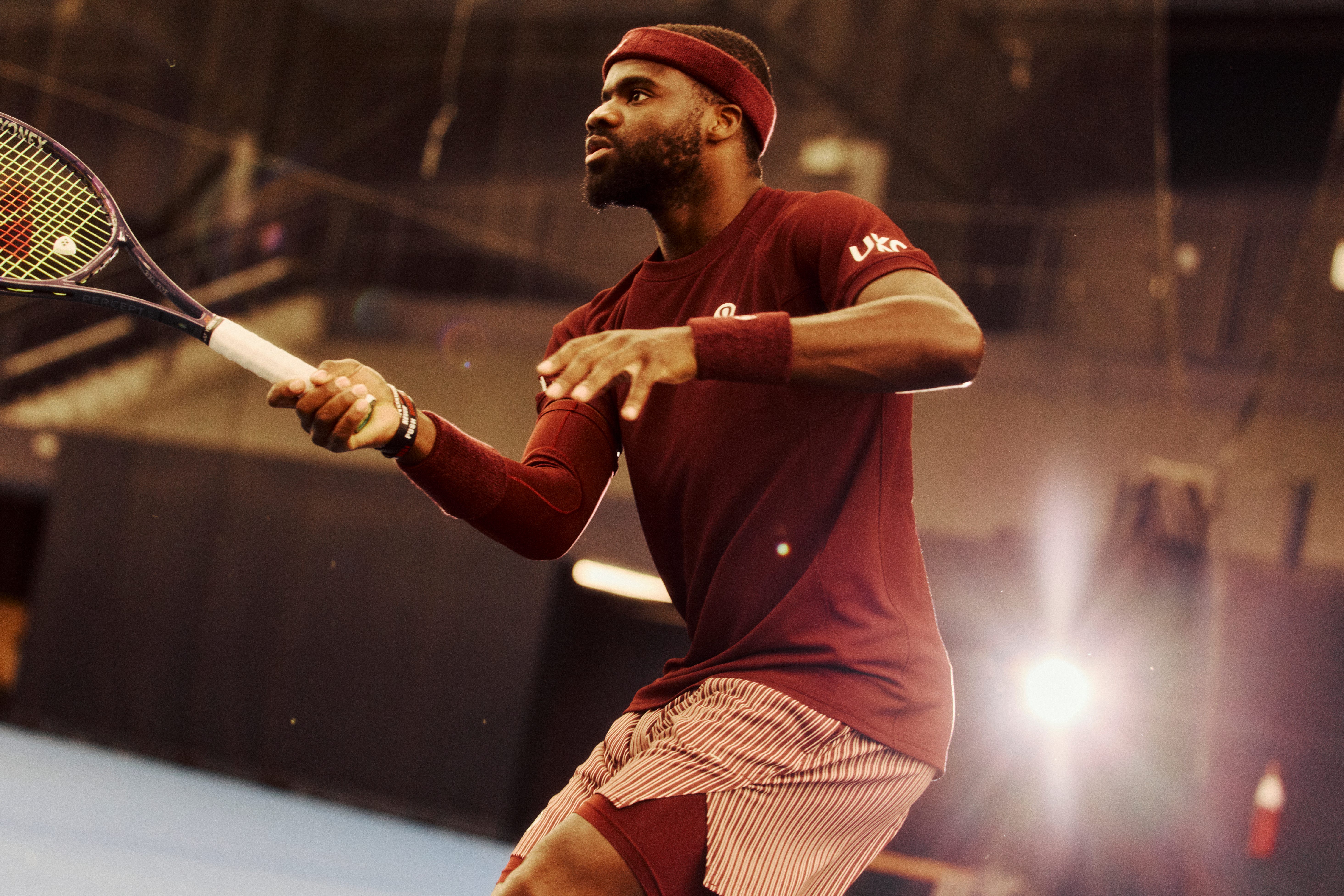
That’s where tennis comes in. On the call, the BNP Paribas Open sponsorship wasn’t positioned as just a nice brand flourish. It was presented as early evidence that its turnaround efforts are gaining traction. Interim co-CEO and CFO Meghan Frank specifically cited the event as one of the quarter’s standout activations, noting that roughly two-thirds of visitors to the brand’s Indian Wells pop-up were new to Lululemon. For a company trying to re-energize North America and bring new customers into the fold without leaning so hard on discounting, that’s a pretty telling stat.
Just as revealing was how they used tennis to frame their broader product innovation story. The latest version of their ShowZero line—a sweat-wicking fabric developed with Frances Tiafoe and debuted at Indian Wells—was presented not just as athlete marketing, but as a prime example of the kind of technical innovation Lululemon wants investors and consumers to notice again. The broader message on the call was that the brand needs to look sharper, newer, and more purposeful: fewer logos, tighter assortments, better storytelling, more activity-based merchandising. Tennis happens to be a very effective vehicle for all of that. It gives the brand a premium setting, an aspirational consumer, and a sport where performance claims can still feel sexy rather than overly clinical.

What stood out most is that Lululemon seems to view tennis as both an acquisition channel and image rehab. The company is trying to fix a North American business that got too reliant on markdowns and too muddy in its assortment, and tennis offers a cleaner narrative than yoga ever could at this stage: elite athletes, tournament theater, product heat, lifestyle aspiration, and global visibility. It’s not just about selling a few skirts and polos. It’s about using tennis to help convince the market that Lululemon still deserves to be read as innovative, premium, and culturally relevant.
That doesn’t mean tennis is suddenly big enough to rescue the business on its own. But on this call, it sounded far less like a jump-on-the-bandwagon experiment and more like one of the brand’s most important stages for rebuilding momentum.
Front Office Sports’ late tennis push
Noticed Front Office Sports (FOS) suddenly flooding the zone with tennis content? You’re not imagining it. The media company is making a concerted effort to ramp up their previously limited tennis coverage, driven largely by top editors at the company realizing somewhat late that it’s trendy.
They’re sending reporters to more tennis tournaments—namely Colin Salao, a business reporter whose beat has spanned basketball, motorsports, tennis, and breaking news. So far the coverage seems like a drumbeat of the biggest tennis news with a mix of clicky stories, like one about Austin’s rage room concept, tailored to people who aren’t already entrenched in the sport (and in a sport that can be intensely navel-gazing, that’s not a bad instinct).

Several established tennis journalists told me they’re curious whether the investment will extend beyond marquee events. One noted that any additional attention from ambitious outlets is ultimately a positive for the sport’s visibility. “It’s good to have another person [in the room] with some brain cells,” they joked. However, the decision to keep revisiting the already-resolved—and seriously overblown—Chris Eubanks and Coco Vandeweghe episode this week raised a broader question about whether the strategy is primarily click-driven, or about building deeper editorial authority in the sport over time. Time will tell.
Love notes

You know I’m a hard sell, but the latest sneaker from Tommy Paul and New Balance—with an assist from Realtree—is the perfect elaboration of his gone fishin’ personal brand. You can buy them here.
Nike and Beats by Dre launched a co-branded pair of headphones that I’m unsure anyone will actually buy, but I think there’s a good chance we see them on Qinwen Zheng—the only remaining tennis player repped by both companies.

Thanks for reading! If you have tennis news or tips to share, email jessica@hard-court.com. For regular updates, follow Hard Court on Instagram.
Curious if Lululemon is working on improving the women's tennis offerings, or if this is just an approach to the men's line. Nothing interesting or flattering (or supportive, frankly) about the current women's line, which is a handful of pleated skirts, crop tops, thin straps, and lace. Nothing looks athletic or sharp!