


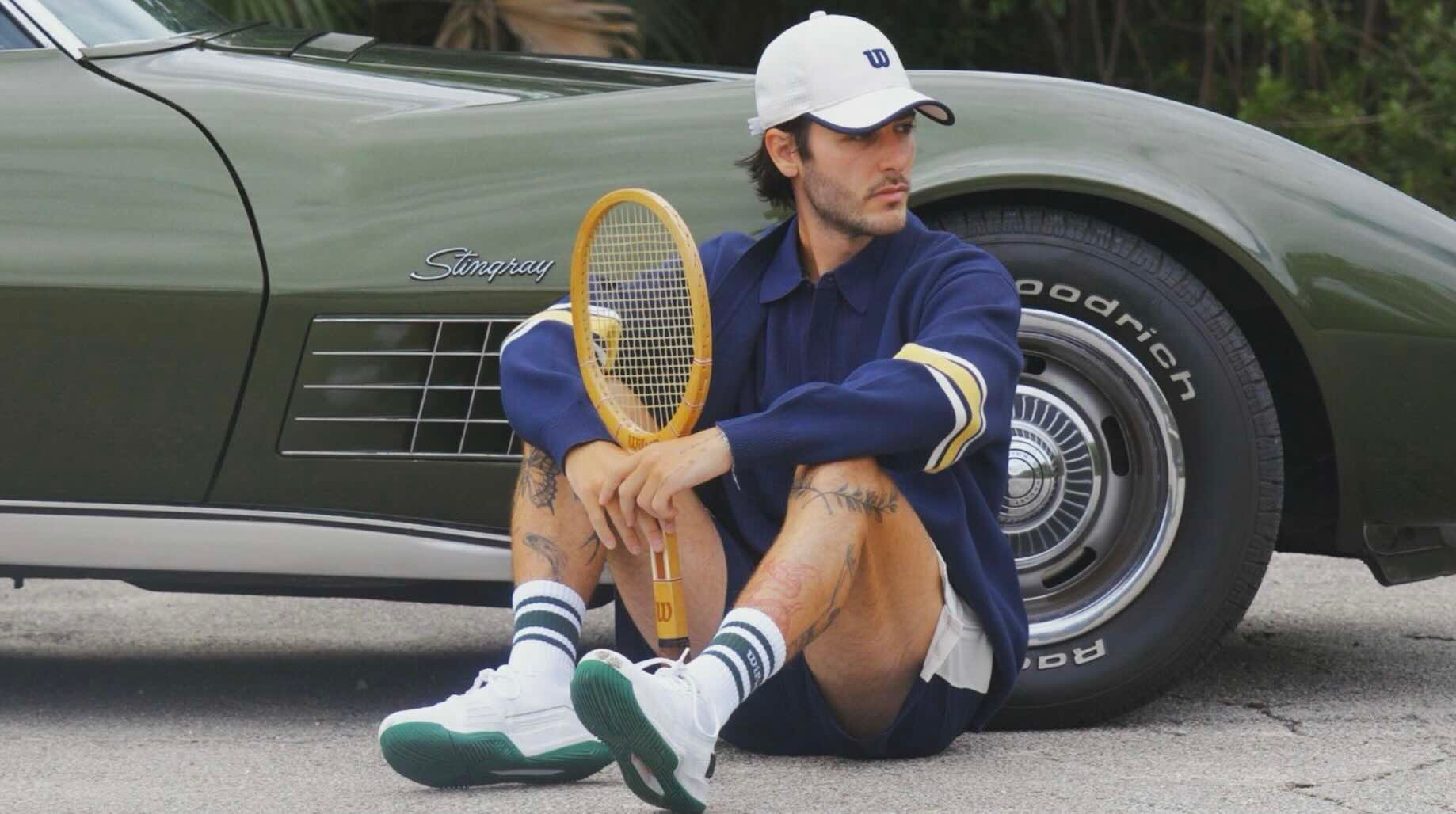
For years, tennis influencers sat adjacent to the sport’s commercial core. They were visible at tournaments and valuable to brands, but structurally peripheral to the agencies and institutions that define the tennis business.
That boundary is starting to shift.
Over the past few months, WME Sports has signed three tennis creators—Ben Johnson, Madison Appel, and Livy Rothfeld—adding to a digital roster that also includes former D1 player Ayan Broomfield, who’s dating Frances Tiafoe. The signings formalize something agencies have been watching build quietly across the sport: tennis creators evolving from brand partners into scalable media businesses.
“We started to realize they were making a lot of money,” WME Sports partner and lead agent Tom Chapman told Hard Court. “But economics aside, they were creating really great, compelling content. They were highly engaged with their audience and they had more time than athletes to do that.”
That last point is central to how agencies now frame creator value. Elite players provide reach in spikes—matches, Slams, sponsorship moments. Creators operate continuously, capturing not just the tournaments they attend but their travel, fashion, and lifestyle habits, like daily tennis participation. For brands trying to reach recreational players and casual fans that continuity is increasingly attractive.
Chapman’s team had already seen the model work elsewhere inside WME. Golf creators like the Good Good collective, which the company represents, have built what he describes as a year-round, multi-million-dollar media business with its own staff and leadership structure. Tennis, he believes, has similar conditions: it’s a lifelong participation sport with expanding cultural relevance and a large amateur base.
“Tennis and golf are those sports that everyone wants to play,” he said. “Whether you’re elite or a beginner. And they’ve become more culturally relevant… younger people are coming in. A lot of that is down to the creator economy around it.”
Thank the WAGs
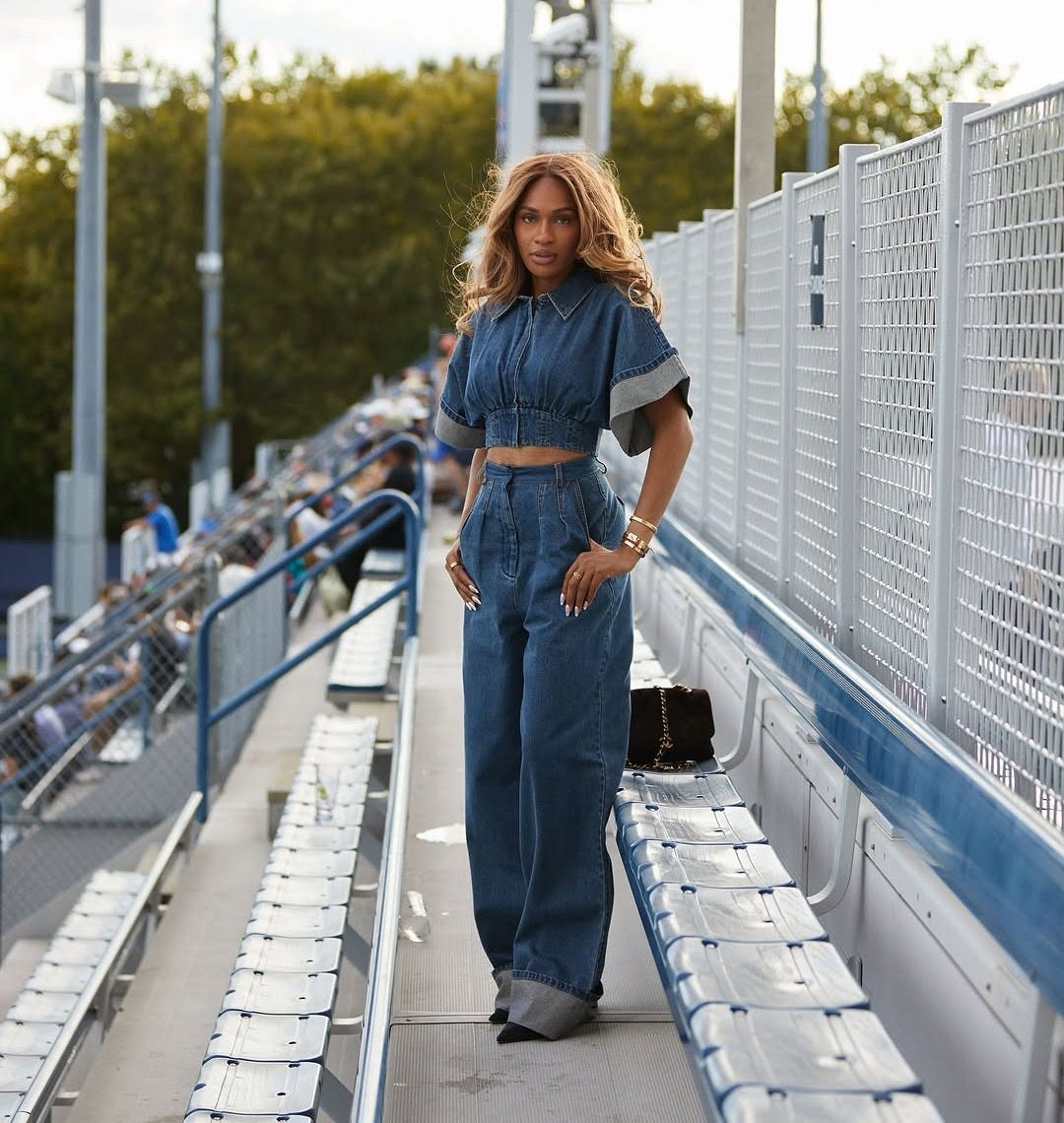
The origin of tennis influencing, as Chapman describes it, is inseparable from the rise of WAG visibility at tournaments.
“A lot of our athletes were dating or married to people that were having a presence at major tennis events,” he said. “We started to see a trend of these people having more influence.”
Partners such as Paige Lorenze (also a WME client), Morgan Riddle, and Ayan Broomfield demonstrated that tournament life itself—the outfits, travel, hospitality, and behind-the-scenes access—could function as tennis media. They also proved the commercial case: brand partnerships, affiliate businesses, and direct-to-consumer launches built around tour proximity.

But WME’s newest signings suggest a second phase: creators whose authority comes not from access to players but from the sport itself.
Broomfield, Rothfeld, and Appel all played college tennis, with Appel later building her following coaching in the Hamptons. Johnson, by contrast, is self-taught. What they share is fluency in the sport paired with content that emphasizes the style and culture around it. That range, Chapman said, gives creators credibility across tennis’s two most commercially potent environments: performance and lifestyle.
“If you’re a creator who can speak to what’s happening on court but also be in the stands looking great, then you have a foot in both camps,” he said.
For brands activating around tournaments, that dual positioning is particularly useful: someone who can explain the match and embody the event atmosphere at the same time. It also differentiates tennis creators from general lifestyle influencers entering the sport—a distinction Chapman believes will matter as the field expands.
Keep reading for Chapman’s take on the limits of athlete-led content and why he believes creators could become tennis’s next commentators.
