


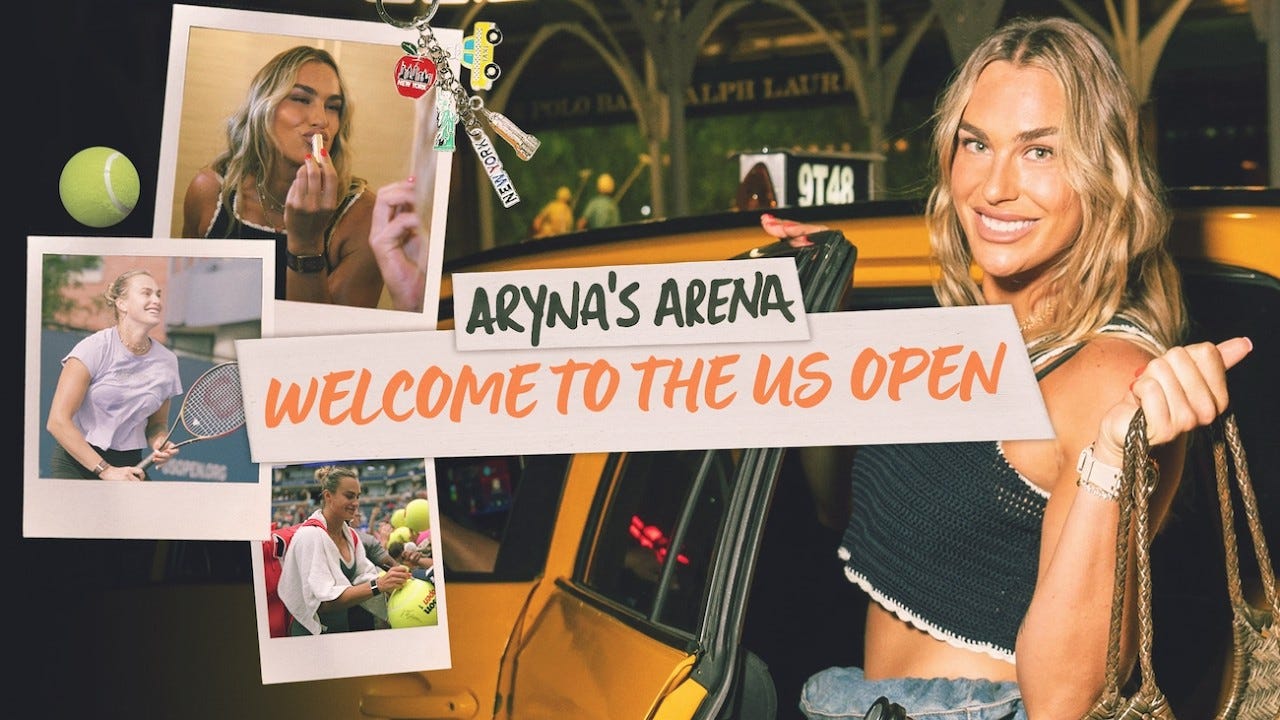
Tennis players are taking a page out of the WAGs’ playbook and launching vlogs in droves. After Daria Kasatkina pioneered the concept for tennis in 2023 with What the Vlog, top players like Aryna Sabalenka and Jannik Sinner debuted their own YouTube channels last year. And in just the last few weeks, Ben Shelton, Arthur Fils, and Alex de Minaur have followed suit, with more rumored to come.
The vlog boom comes on the heels of the ATP Tour’s underwhelming content partnership with Spotify (read my review of their first “film” here) and a general feeling amongst the tennis community that both the men’s and women’s tours are not good at giving fans truly compelling content. The new channels are also filling a void left by Break Point, the failed Netflix tennis series that has left many other tennis docuseries ideas dead on arrival with Hollywood execs.

Many of these vlogs are funded by players’ agencies as an investment in brand building; others are funded by the players themselves, often with the hopes that their proof of concept will encourage sponsors to hop on board and front the costs in the future. The experience of those filming these shows varies widely, from people with decades of credits to their name to those who just graduated college, but the results are all delivering on the same goal: bringing tennis fans into the off-court worlds of the players they love.
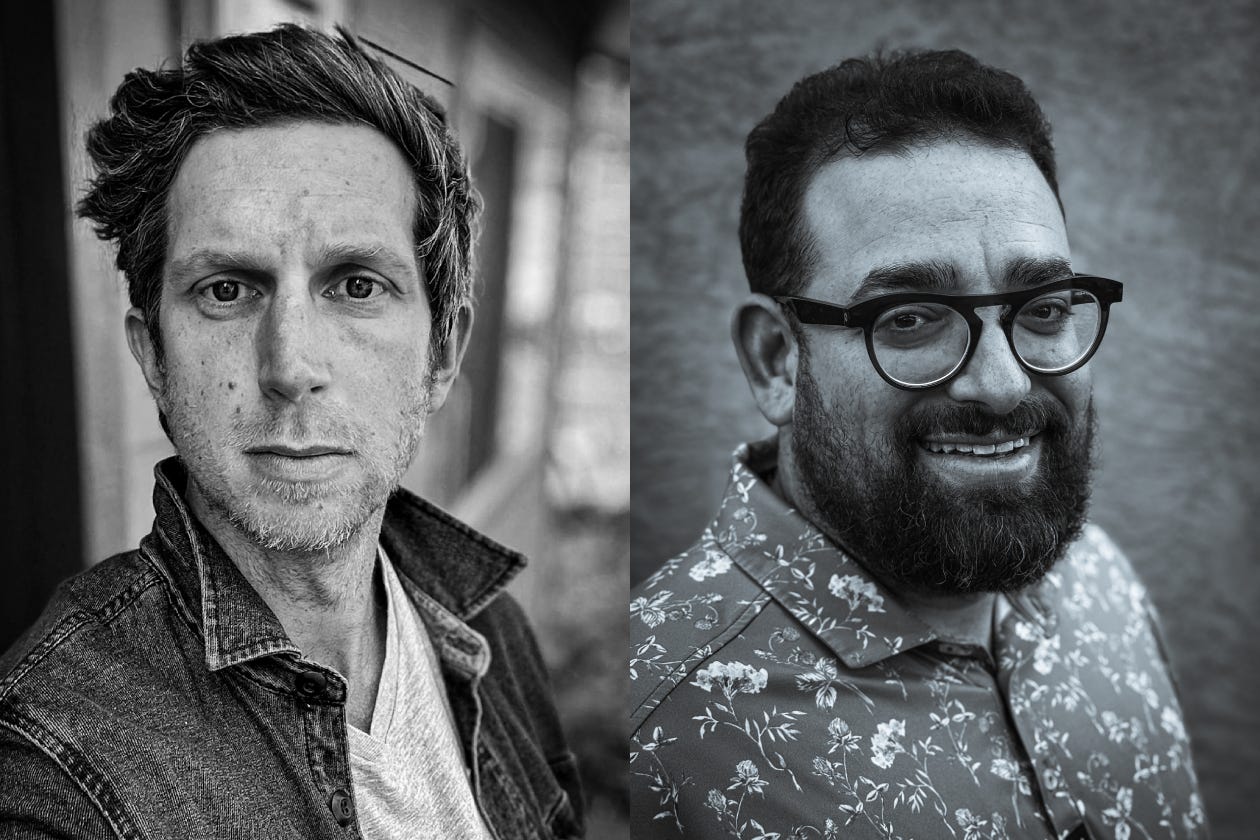
To learn more about how these series come together, what it’s like working with top tennis players like Aryna Sabalenka, and why the format is becoming so popular, I spoke to Erik Osterholm and Michael Simkin, whose previous work includes Anthony Bourdain: Parts Unknown and Down to Earth with Zac Efron, respectively. They co-founded the production company UltraBoom in 2024 alongside Carrie Kaylor and Omar Mullick, and partnered with Evolve to produce Aryna’s Arena (the name of Sabalenka’s YouTube series) and Off Day, a travel series that follows athletes touring culinary destinations which premiered last year with an episode featuring Naomi Osaka. The team revealed to Hard Court that Nick Kyrgios will also be featured in the second season of the YouTube show.
So many tennis players, but also athletes more broadly, have launched personal vlogs in recent months. Do you have any thoughts on what’s driving the trend?
Erik: I think what’s unique about tennis is that it’s an individual sport, and so as an athlete, rather than being wrapped into a team, you’re focused on establishing your personal brand and profile. At this juncture in the entertainment landscape, people are diving into lots of sports content [on streamers]. But I think what’s even more exciting—and what audiences want—is showing this more intimate window off the field or the court. I think vlogs are a natural vehicle for athletes to connect with their fans and show another side of themselves. They often have these bifurcated personalities, especially with Aryna. There’s the personality on the court and how you play, but that obviously doesn’t always reflect how an individual is holistically. In tennis in particular, there are so many eyeballs on you in a match and everyone’s reading into every mannerism or comment as a representation of your personality. So this is really a way to show a bit more of the behind the scenes and what an individual is like off court.
Michael: It’s been really interesting because we had that boom of follow docs with all different sports that were deep dives but really only in the context of the competition and the game. And I think what’s really cool about what’s happening now across entertainment, but specifically in sports, is this ability to have a direct relationship with the audience. What we’ve seen, whether it’s through Off Day or Aryna’s Arena, is there’s this desire from athletes to continue that conversation with their fans. They have that to some degree when they get to interact before or after a match, especially somebody like Aryna where that’s such a big part of what she does. But that’s normally confined to where you’re playing tennis and who’s able to actually come to that match. What we’re able to do now is create this direct, digital creator-like distribution to get right to people, so that you can respond to them too. For athletes, it’s not just the ability to put stuff out to your fans, but to get their feedback and engage with them in return. It really starts a dialogue that helps us evolve and learn, which you would never get with a normal show.

Yeah, it’s interesting because I feel like tennis specifically has been lacking in those follow docs you mentioned after Break Point failed. I would have loved for tennis to have that moment and now, from what I’ve heard, a lot of filmmakers who want to do something in tennis say it’s dead on arrival because that show didn’t perform well enough.
Michael: That’s the challenge. I mean you nailed what I think excites us, which is that there are things that are going to work or not work through traditional distribution, but that doesn’t always mean that there isn’t a fan base for it or there isn’t value to it. I think that’s what’s so awesome and unique about this format is it’s not something that’s being pushed externally, like, “Oh, we’re going to cast you in this show,” it’s really being pushed by the players’ teams and the players themselves. It’s about finding their voices and showcasing what it means to be a professional tennis player.
Sign up for a paid subscription to learn about Aryna’s involvement in the filmmaking process, how the team handles filming difficult moments, and navigating a restrictive tennis tournament landscape with a camera crew.
