


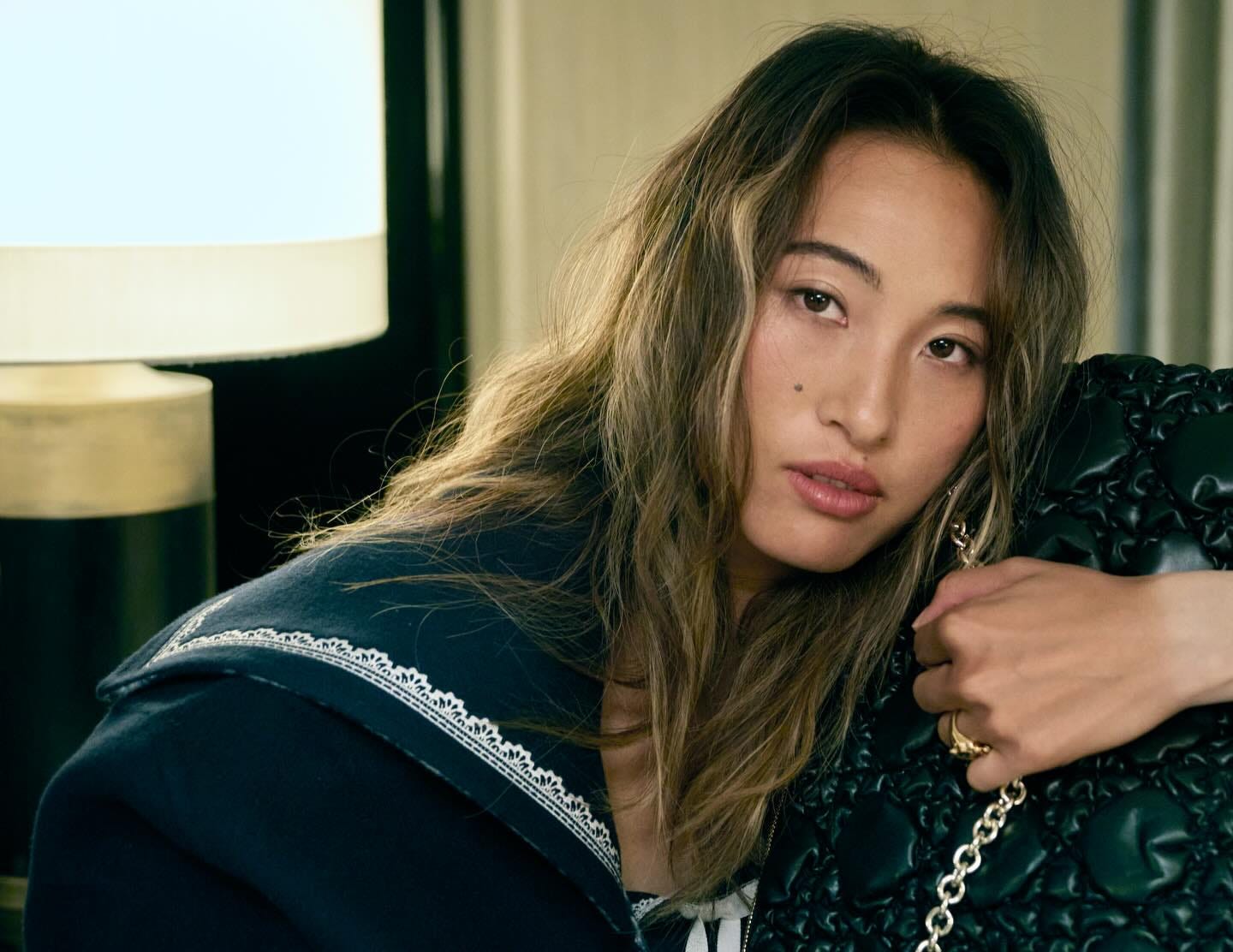
There is something uniquely humbling about professional tennis. One year you’re one of the biggest stars in the sport, winning Olympic gold and reaching the upper echelons of the rankings; not long after, you’re preparing to play qualifying at the US Open.
That is where Qinwen Zheng finds herself this week. After an injury-plagued stretch sent the former world No. 4’s ranking tumbling to No. 127, Zheng did not receive a main-draw wildcard into the US Open and is set to make her first appearance in qualifying. It’s a strange position for a player who, at 23, has already experienced almost every trapping of tennis stardom: a Grand Slam final, Olympic gold, enormous fame in China and partnerships with brands including Nike and Dior.
But when I spoke to Zheng in Washington, D.C. last month, she seemed remarkably clear-eyed about the situation. There was no attempt to pretend that her ranking didn’t matter, or that the commercial opportunities that accompany being one of the best tennis players in the world exist independently of actually being one of the best tennis players in the world. If anything, Zheng was more willing to acknowledge the transactional realities of professional sports than most athletes I’ve spoken to.
She was also, crucially, finally feeling good.

“The body right now is finally all good,” she told me. “I play without pain. That’s what I’ve been searching for for the last two years, and thank God that finally I’m able to do that.”
A few months earlier, Zheng had described the process of returning from injury as feeling like she was starting over. By Washington, that feeling had begun to subside. “I would say right now everything is on a good path,” she said. “The last two weeks, because I can feel right now my body is getting better, my mind is finally starting to get a bit better, and I’m starting to find my level little by little.”
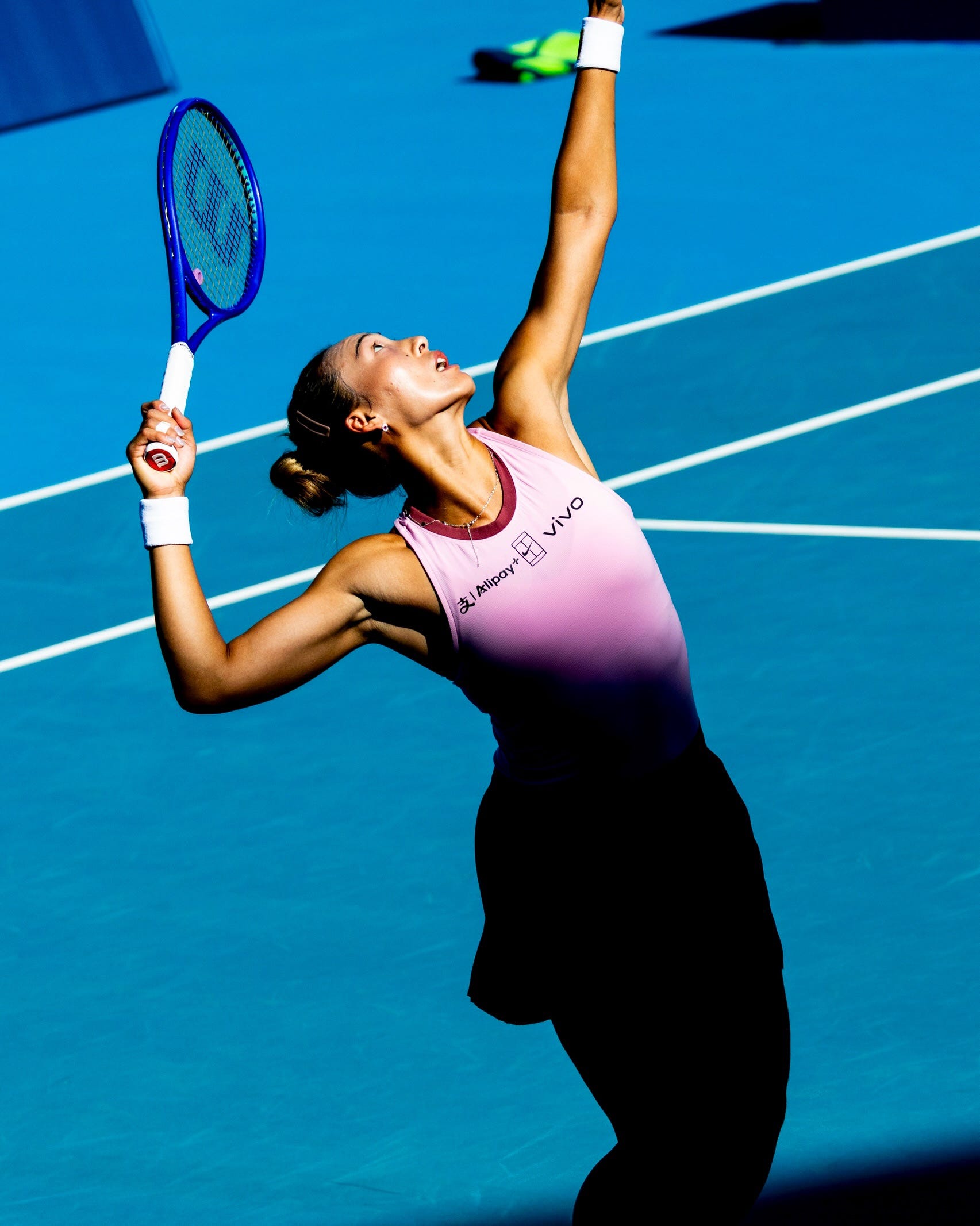
For now, she’s trying not to look much further ahead than that. “I think I just need to keep going at this stage and working on myself, and then trying to reach the best [version] of myself on court,” she said. “Because at the end of the day, we are playing tennis matches, and the best level you have is [the one you have] when you are in the match.”
Injury is, of course, difficult enough when your job is predicated on your body cooperating. But for Zheng, the losses that followed also came with the feeling that she was disappointing an enormous number of people. She is one of China’s most famous athletes, with the kind of fandom that makes it difficult for a loss to ever feel like hers alone.
“After coming back from injury, I lost some matches I shouldn’t have lost, which felt really painful,” she said. “I felt like, oh, the people who love me, my fans, that I let them down. That was a bad feeling for me because I don’t want to let them down. I want to win as much as I can, and I want to give them courage, but the last few months [I haven’t been] able to do that. So I’ve also been feeling very sad about myself.”
Still, Zheng had realized that there’s no way to play good tennis if she’s carrying all of that around with her. “I’ve learned one thing: I only can control what I’m doing,” she said. “I cannot control how my tennis on court affects others, because I cannot carry so many expectations on my shoulders. That’s too heavy for me to play tennis with.”
Her solution has been to strip things back. “Right now, what I’ve learned is just to be simple, as simple as I can as a person, as simple as I can as a tennis player,” she said. “And the tennis will become better as a result.”
Keep reading for Zheng on what happens to sponsorships when your ranking drops, the real reason she avoids close friendships on tour, and the freedom she finds in fashion.
