

Hailey Baptiste just handed Nike a perfect story
Just don’t expect them to do anything with it.

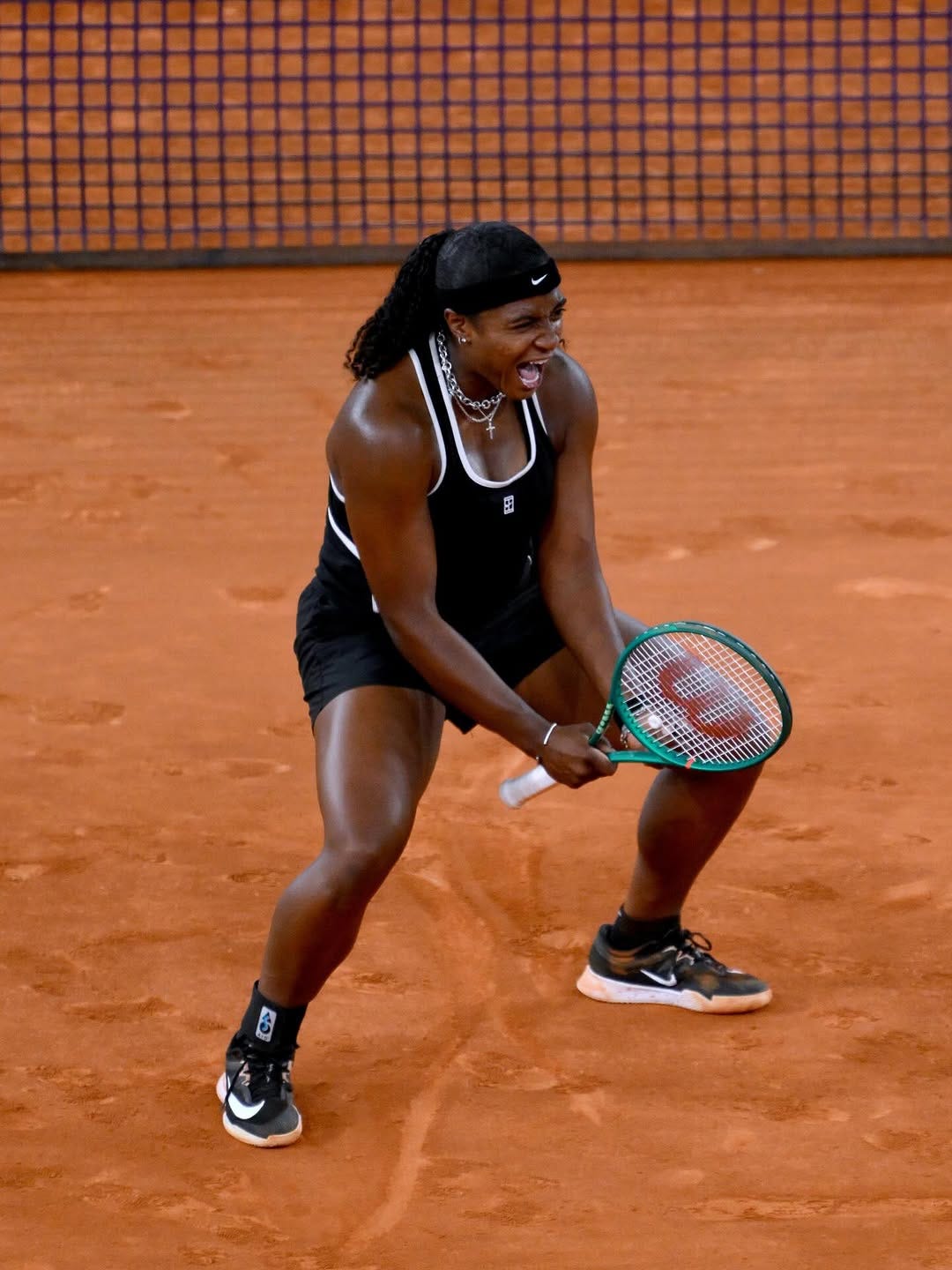
In a normal, capitalist society, what Hailey Baptiste pulled off yesterday in Madrid would be a sponsor’s dream come true. Playing the best match of her career, she beat the world No. 1 Aryna Sabalenka after saving six (!) match points—including an especially gutsy save with a serve-and-volley.
The story writes itself. Sabalenka is seen as inevitable in most of the matches she plays—it was only her second loss this year. Very few people (call them uncreative!) expected the world No. 32 to take her down.
But when she did, it acted as a reminder of the beauty of sports and tennis in particular (one I frankly needed after feeling a little bored lately). As photos of Baptiste celebrating took over my various feeds—some of them spliced against the artful shot of her breaking a racket in a match against Belinda Bencic just a few days prior—all the great copy potential started running through my head. I mean, it doesn’t take a rocket scientist to know how to milk this moment.
As Matthew Futterman wrote immediately after the clock stopped in The Athletic, “Aryna Sabalenka finally lost a tennis match. Hailey Baptiste took it from her.” Boom.
But Nike, Baptiste’s in-kind sponsor, has done nothing with it and, even if they magically read this piece and feel inspired (Venmo me, please), it’s already too late. Other brands, from Asics to Wilson, celebrate lesser wins by their signed players on social media all the time—but Nike couldn’t spare an Instagram post?
Yes, there’s the obvious wrinkle that Aryna Sabalenka is a Nike athlete too. So it’s not as simple as blasting out an upset post without thinking about the other side of it (i.e. Futterman’s sentence probably wouldn’t work).
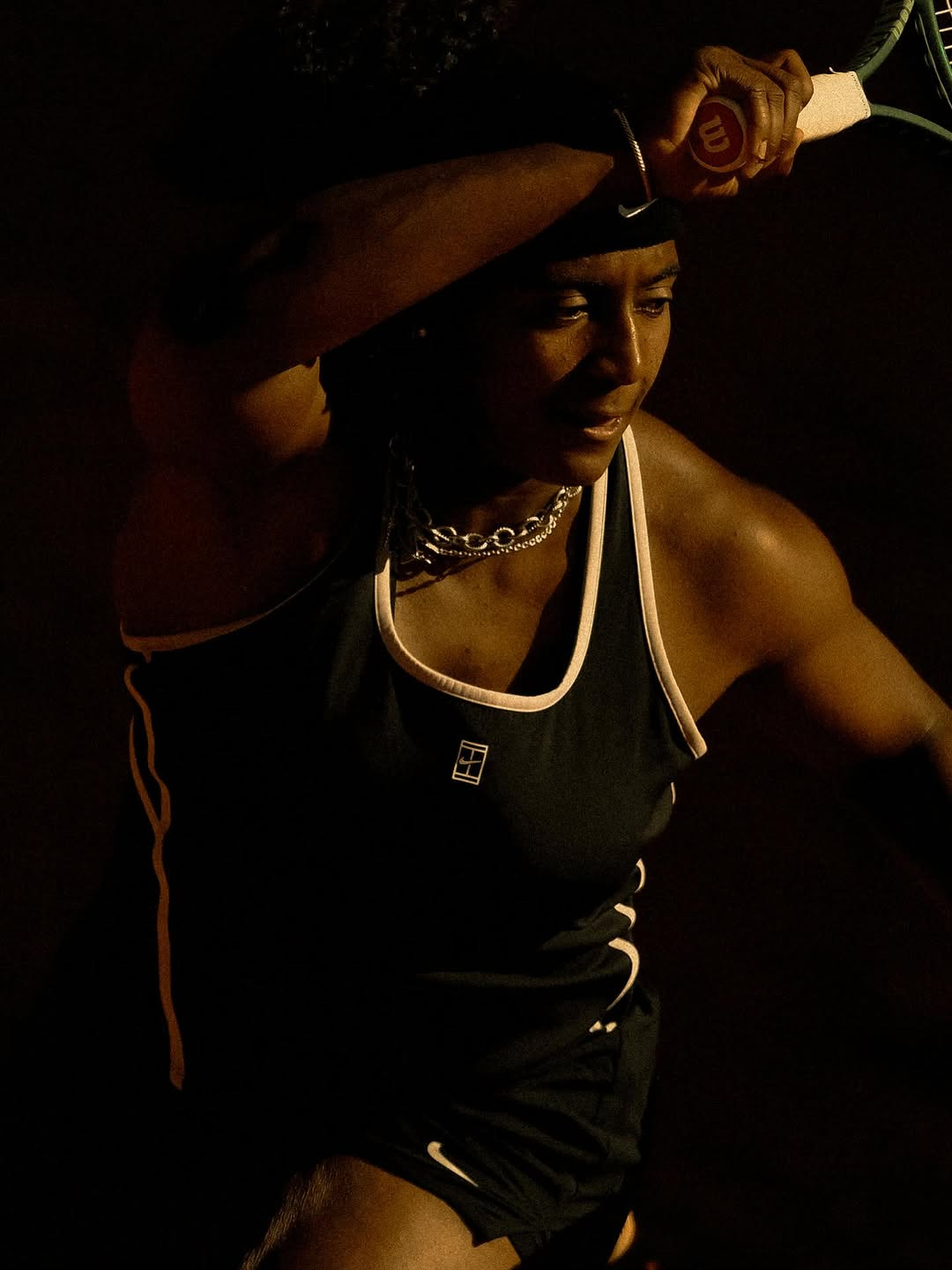
But that hasn’t stopped them before—they celebrate fellow Nike athletes Carlos Alcaraz and Jannik Sinner beating each other all the time. You don’t have to frame it as Sabalenka losing, you can frame it as Hailey Baptiste playing the match of her life. Nike has more than enough experience threading that needle.

To me, the silence is representative of Nike’s disconnection not just from tennis but the spirit of sport in general.
The company is in the middle of a reset—new leadership, pressure on growth, trying to rebalance a business that, by its own admission, leaned too heavily on a handful of franchises and a very direct-to-consumer, digital-first strategy that started to feel a little insular. There’s been a lot of talk about getting back to sport, back to storytelling, back to the thing that made Nike feel like Nike in the first place.
But “getting back to sport” isn’t just about celebrating the GOATs. It’s about actually engaging with what’s happening on the ground, in real time, even when the people involved aren’t household names.
That used to be a central part of the Swoosh. “Find Your Greatness,” a campaign which ran during the London 2012 Olympics—which Nike didn’t even officially sponsor—wasn’t about the obvious stars or the guaranteed winners. It was about the belief that something meaningful could be happening anywhere, and that it was worth paying attention to even if it didn’t come with a clear outcome.
That’s the spirit of sport that seems decidedly absent from the brand today, and especially in moments like this that other brand partners would frankly kill to have the opportunity to play with.
I’m not saying every upset needs to turn into a major campaign or that Baptiste is suddenly on some inevitable trajectory (though I certainly hope the Nike team will pay closer attention now). That’s not the point. What makes this kind of result interesting is what it represents—the idea that all the unglamorous work, the matches that garner less chatter, the weeks spent grinding without much to show for it, can suddenly crystallize into something real. It’s the kind of underdog story that fans (AKA the people who buy things) love because it’s universally resonant.
Very few people can relate to being the best in the world. But almost everyone understands what it feels like to put time into something without seeing the return you’d like, to question whether it’s going anywhere, to keep showing up anyway until something happens where it all seems to click.
Those are the moments that give a sport texture and break up the monotony of a long season to remind you why you’re watching in the first place, as this one did. They’re also the easiest ones to engage with, because the story is already there. You don’t have to manufacture anything or stretch it into something bigger than it is. You just have to meet it where it is, while people still care.
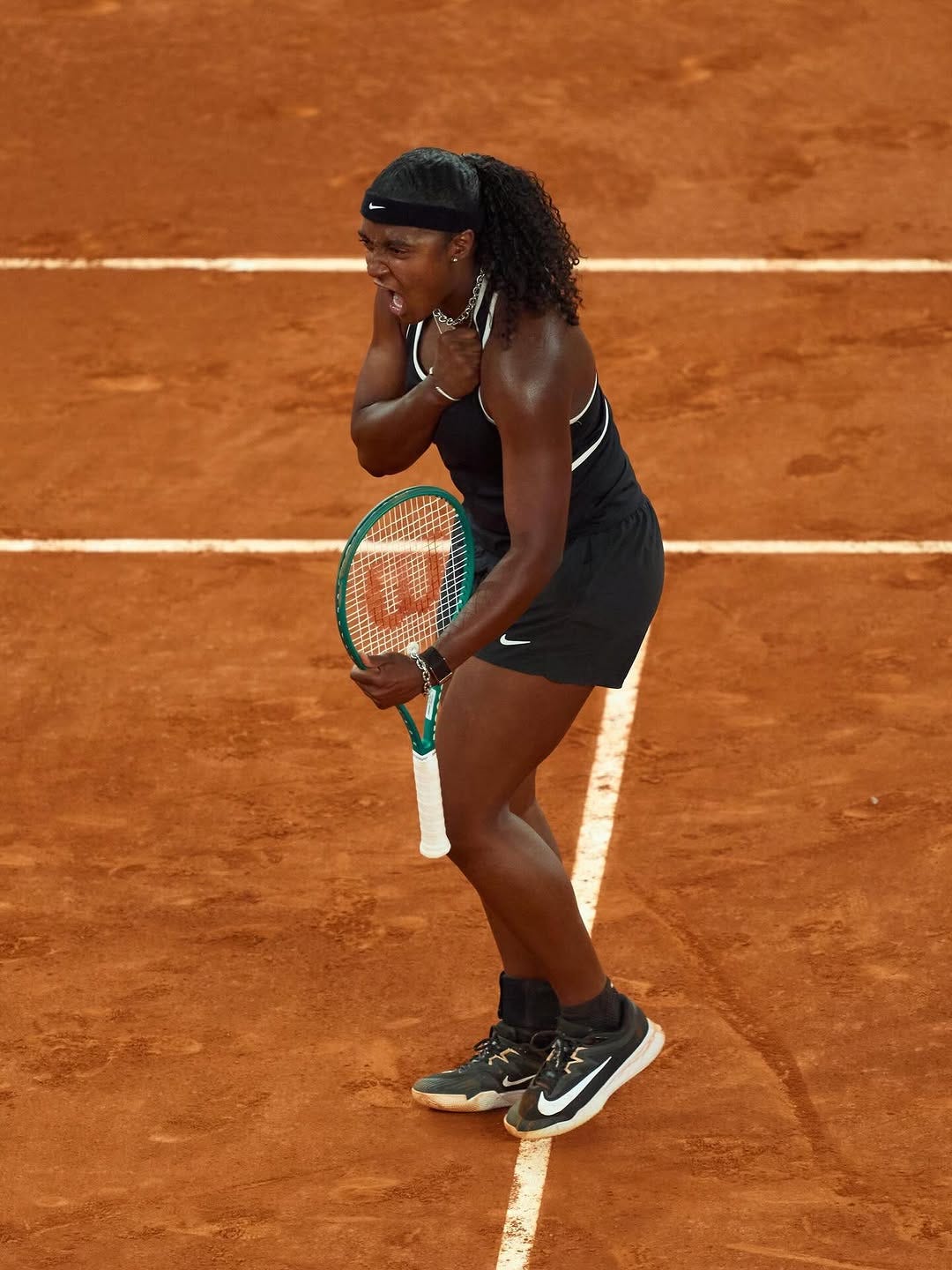
Instead, it feels like Nike only really shows up these days once everything has already been decided for them—once the hierarchy is clear and a player fits neatly into a narrative that can be scaled and repeated and slotted into a larger plan. I get that that’s a safer way to operate when we’re talking big initiatives, but it shouldn’t preclude a little digital acknowledgment. Without it, the brand loses any sense that it’s tapped into the sport in real time.
Tennis, more than most sports, needs that. The calendar is long, the same names show up deep in draws week after week, and it’s very easy for it all to start blending together. When something like this cuts through, even briefly, it’s an opening that brands usually jump on without needing to be told.
Nike has chosen to let it pass by just like any other result.

Thanks for reading! If you have tennis news or tips to share, email jessica@hard-court.com. For regular updates, follow Hard Court on Instagram.