


You’re reading Kitted—a series where I go deep on the fashion brands making waves in tennis right now. Come for the business insights, stay for the inside scoop.
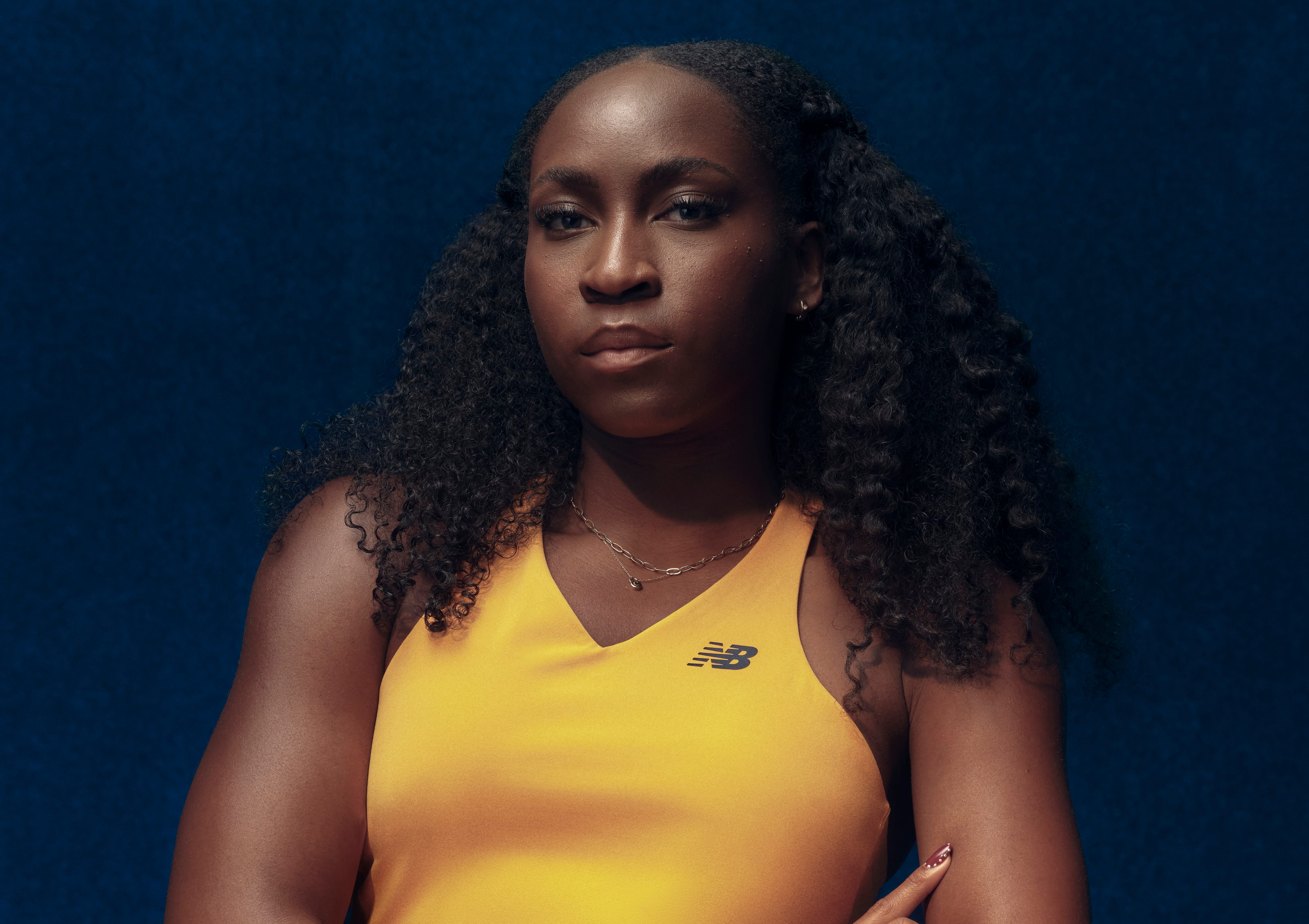
When I started this series, there was one brand at the center of my proverbial vision board: New Balance. If you’ve been paying attention to tennis over the last few years, then you know they’re leading the pack when it comes to style-forward kits that still hold up at the highest level of the sport. Every outfit and campaign is grounded in their athletes’ personalities—their interests, backgrounds, and stories—particularly their top players Coco Gauff and Tommy Paul, who lead a roster that includes Sorana Cirstea, McCartney Kessler, and Jordan Thompson.
Last year, they took it a step further and made every competitor brand jealous when they disrupted our notion of what a luxury fashion partnership in tennis could look like, partnering with Miu Miu on a series of kits for Gauff. Don’t be surprised if we see copycat collabs like Nike x Gucci in the near future.
New Balance hasn’t been in the sport for ages—they signed their first player, Milos Raonic, in 2013—but they had the foresight to sign Coco Gauff when she was just 14 in 2018, and their rise in tennis has blossomed in step with hers. Today, they’re one of the few brands making tennis apparel and campaigns that feel truly culturally relevant.

I spoke to Evan Zeder, the company’s senior global director of sports marketing, and Harry Champion, tennis apparel product merchant, to find out what’s in New Balance’s secret sauce. They talked about working closely with Gauff and Paul on campaigns and design, treating the tennis court like a runway without sacrificing performance, their “fewer, bigger, better” mantra, and shirking trends to stay true to themselves. I especially enjoyed hearing how closely they worked with Gauff and her family to build her brand without overwhelming her early on.
Building with athletes, not just around them
New Balance isn’t the type of brand to build a campaign and simply slot its athletes in when their schedule frees up. They’re bringing tennis players into conversations around kit design and campaign ideation early, often years in advance.
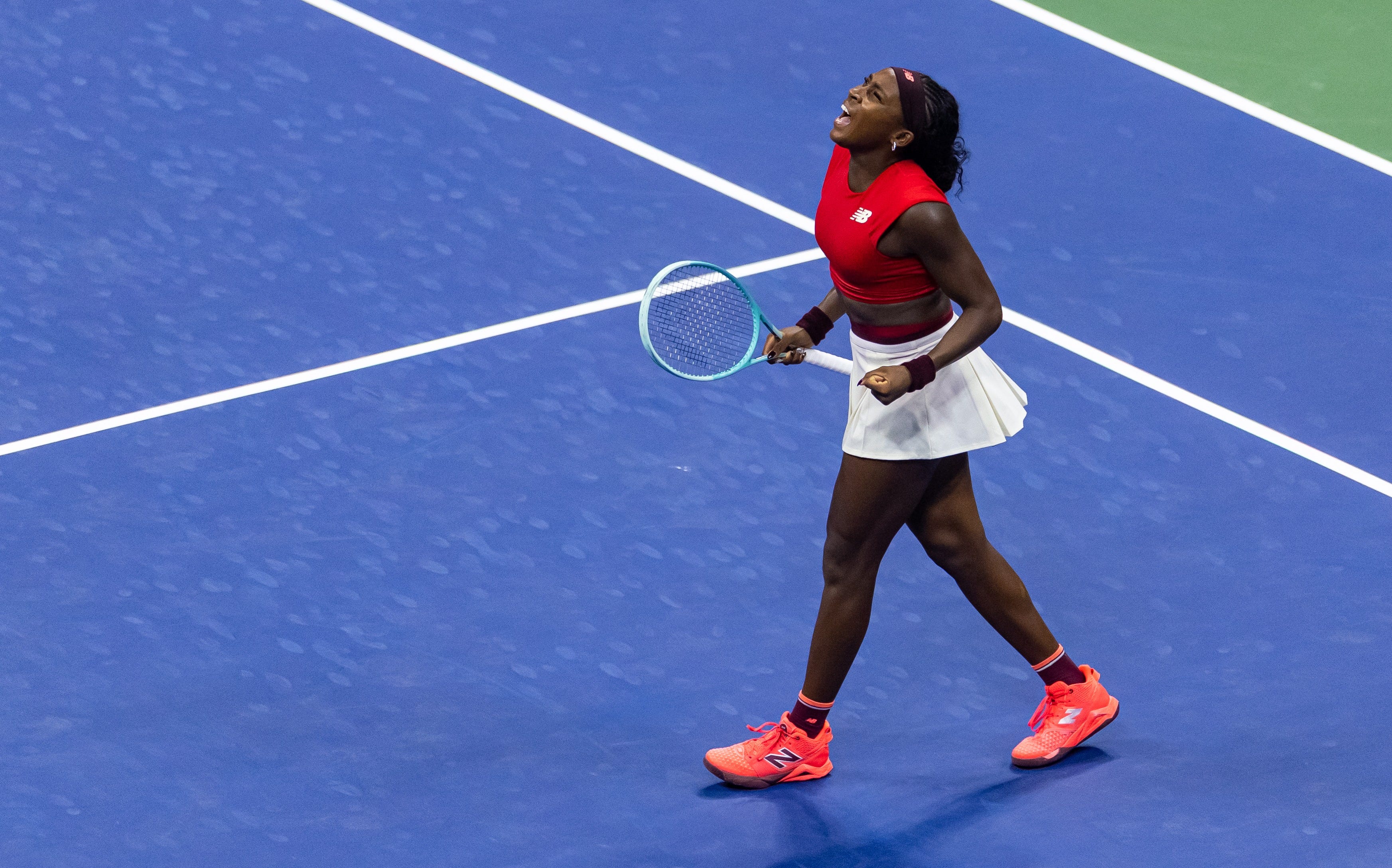
When the brand first signs an athlete, the team spends a lot of time with the player, their families, and their agent to get a clear sense of what they want out of the partnership, says Zeder. “What are they looking for, and does it align with who we are?” he says. “We’re trying to build this partnership with them, not for them—it’s not about telling them how we’re going to do things, but to find out where we sync and how they can contribute.”
When New Balance first signed Gauff, the shared goal across her team and theirs was to take things slow. She was a teenager still very much coming into her own, and the team was cognizant of not adding any sense of urgency onto her tennis achievements by, say, launching a signature product too early. That can feel like a lot to live up to.
“We’ve worked so closely with her, her team, and her family to make sure the product we’re building doesn’t put an immense amount of pressure on her,” said Zeder. “We should be a fun outlet for her—she shouldn’t ever feel like she has to perform for us.”
There’s also the difficulty of predicting someone’s success at a young age when product creation starts 18 to 24 months out, he notes. But after being in the works for years, they finally felt ready to launch her signature shoe, the CG2, in July of 2022. In some kind of divine timing, she’d go on to win her first Slam, the US Open, a year later.
The collaborative relationship between teams often results in a better product. When New Balance was first developing its “Call Me Coco” campaign, which came out in 2019, the first edit of it was super serious and Gauff’s family felt she should be shown in a more youthful light given her age, said Zeder. “She embodies that fun spirit, so we reworked it and added her smiling more, which made it that much more impactful.”
Sign up for a paid subscription to read about New Balance’s work with Tommy Paul, how they collaborate closely with both athletes on product design, the Miu Miu partnership, and the “fewer, bigger, better” approach they apply across all tennis activations. Plus, some intriguing intel on Gauff’s upcoming Slam kits.
