

Inside Naomi Osaka’s Indian Wells look—A fierce rebuttal
Exclusive images and a chat with Osaka and creative director Marty Harper about the Mad Max–inspired look, fashion as armor, and storytelling in the face of fashion illiteracy.

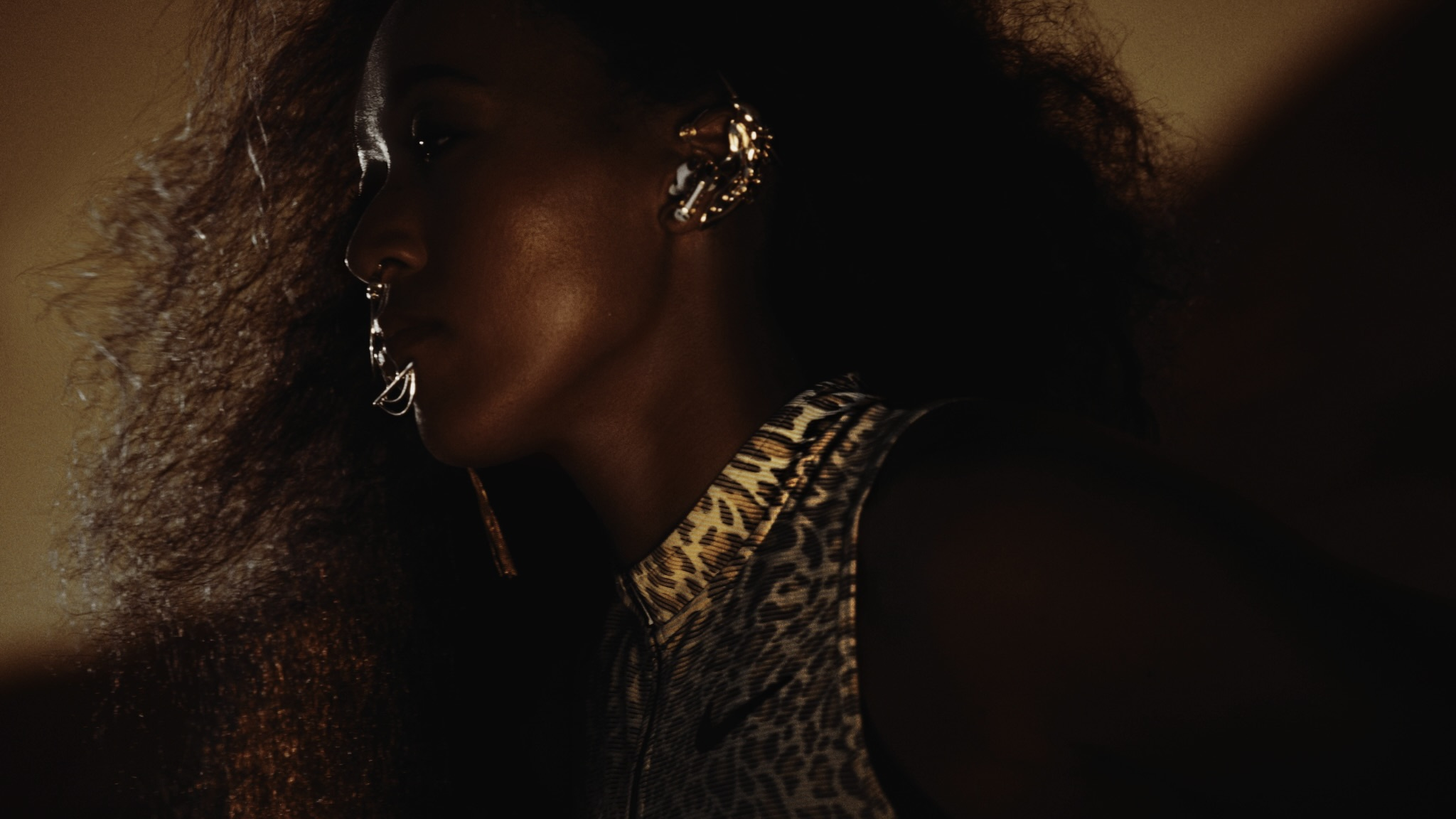
Naomi Osaka doesn’t bow to the altar of tradition, and certainly not the misguided outrage that routinely comes her way. She reveres fashion and has an innate understanding of its power to transcend the insular world of tennis.
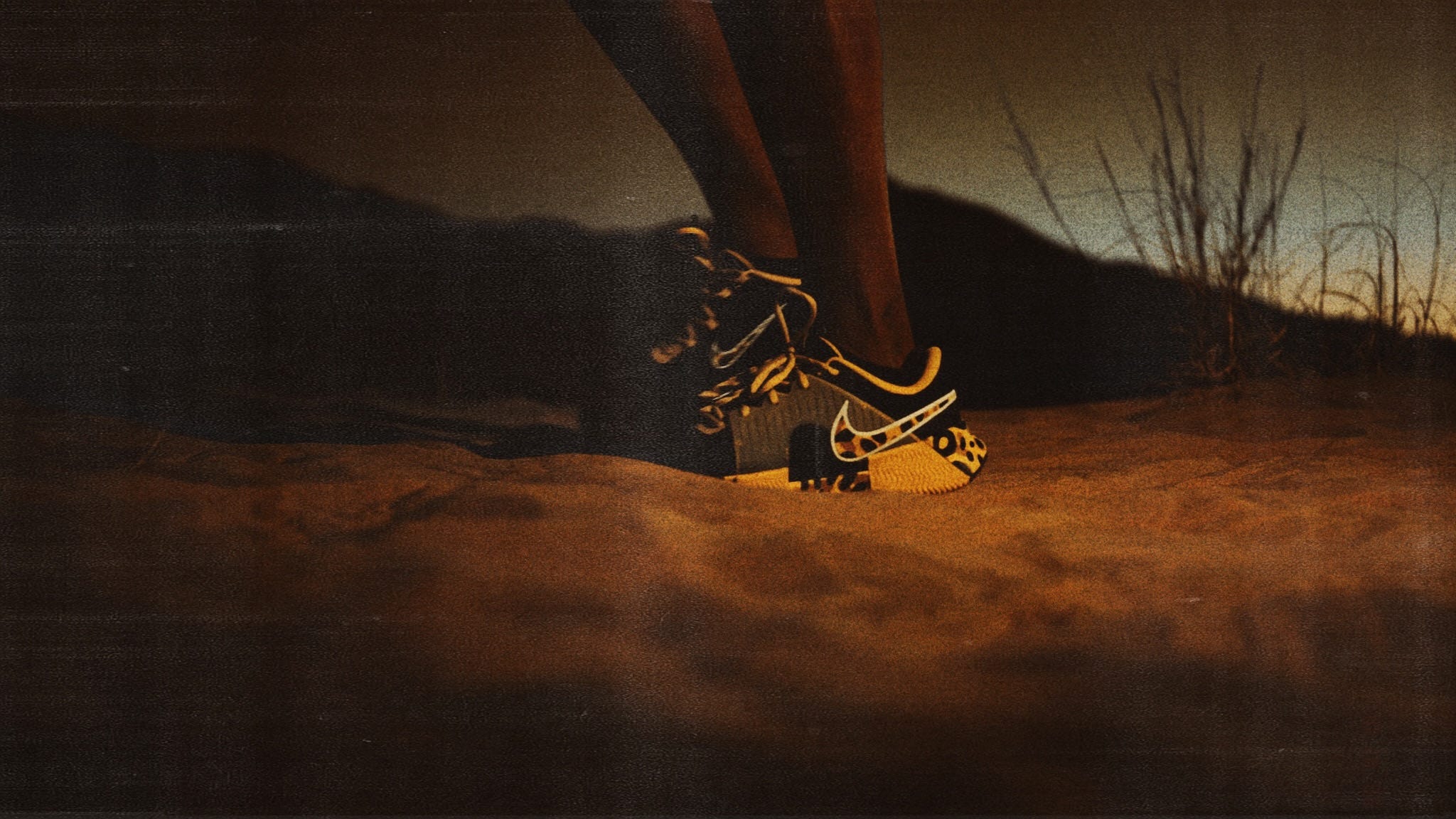
Tonight at Indian Wells, she’s picking up the torch she lit in Australia when she wore a couture look from designer Robert Wun over her jellyfish-inspired Nike kit to walk on court for her first match. Working closely with her longtime creative director Marty Harper and the New York jewelry designer Chris Habana, Osaka will walk on court wearing custom gold ear cuffs that were 3D-molded to wrap around her ear and hold her earbuds, as well as tribal-inspired gold jewelry that hooks onto her lip and nose. They’re the finishing touches atop a cheetah-print Nike dress with a black mesh back, matching jacket, and cheetah-print sneakers.
Other accessories she will don in future rounds and in Miami include mesh gloves with sharp gold details, a mini skirt with tooth-like metal beads shimmying from the rim, and fang-like forms and sculptural grills for the mouth. The pieces are meant to translate and play with ideas of strength, silence, and self-assertion.
In concepting the new designs, Harper conceived the idea as “Mad Max return to the desert” with tribal undertones. One iconic image shot by Jean-Paul Goude was also central to the inspiration—Naomi Campbell running alongside a cheetah in a matching cheetah print dress in Cape Town, South Africa for the September 2009 issue of Harper’s Bazaar.

“Naomi [Osaka] is always trying to create more of an ethos and an idea of where these things live on and off the court,” said Harper. “So we’ve always designed by asking, how do we create a sense of world and tell a story?”
“I want more people like me to be on these courts,” Naomi said when I asked what she wants her Indian Wells looks to represent to people. “Tennis has such a long history and tradition, but I think the game keeps growing when new voices, cultures, and perspectives are able to step into it. Style is one way I get to express that. When people see me walk onto the court, I hope they feel a sense of possibility—like there’s room for individuality here, room for different stories.”
The hope, she said, is that young girls who watch her stepping on court authentically as herself begin to imagine themselves in that space too. “If that happens, the look has done what it was meant to do.”
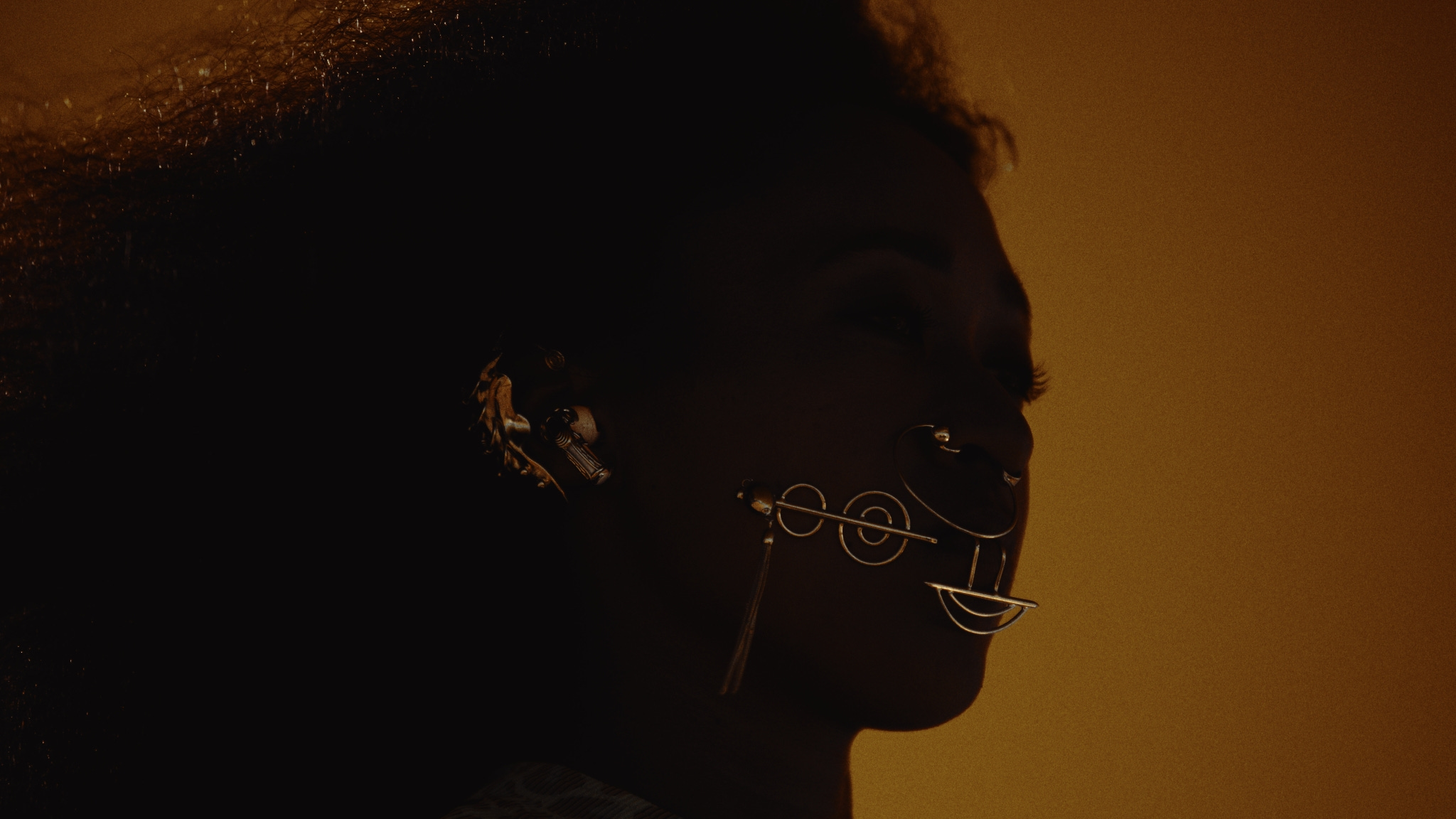
The process is a bit of a dance, with Osaka’s team cognizant of not overshadowing Nike’s designs so that they, too, can speak for themselves. “Nike puts a lot of time and investment into making these pieces, so we have to honor their design and the partnership,” said Harper. To do that, they design around the core kit. At Slams, that involves more elaborate looks like Wun’s, but for smaller tournaments like Masters 1000s, the plan going forward is to use accessories to make a statement.
As I’ve previously reported, Nike doesn’t pay for any of the additional design elements that Osaka wears on court or any of the visual storytelling around it (i.e. photography and video content). “We handle that because Naomi is always really excited to create a world around her kits and tell a visual story,” said Harper. “It’s bringing forth her inner registration, her inner voice.”
Typically, Nike comes to Osaka with a few kit options that she gets to choose from and, once selected, her team begins work on the other elements. But in 2027, Osaka will be much more involved in the core kit design. (Other Nike players like Aryna Sabalenka and Jannik Sinner have also confirmed this will be the case for them.) “We will see a huge shift in the way that the kits are produced and the way that they come about,” said Harper. A Nike source tells me that the splash Osaka’s kit made at the Australian Open and its selling out in two days has been a huge motivating factor in moving this custom kit program along. For now, though, only her Slam kits will be for sale.
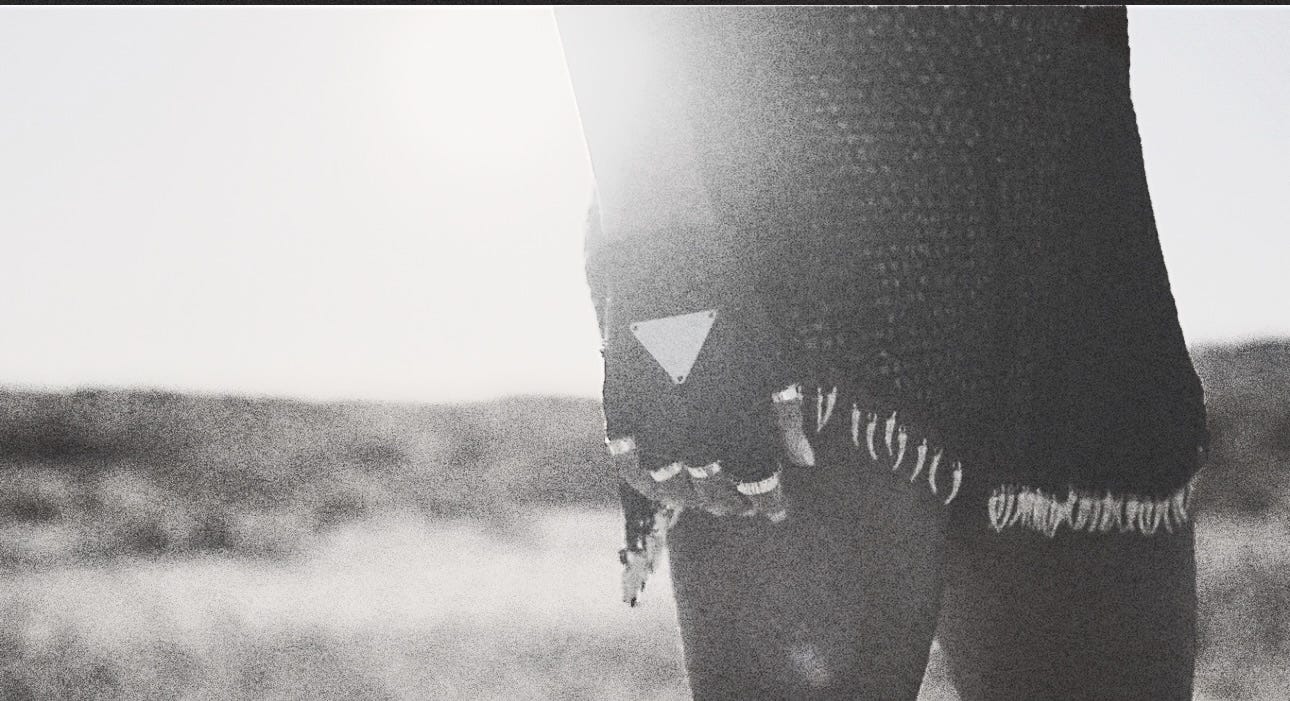

Intentional or not, the ferocity of Osaka’s Indian Wells look acts as a sort of rebuttal to the egregious, often racially-tinged outrage over her look at the Australian Open by a loud subset of fashion-illiterate commentators who have designated themselves authorities on a subject they have zero authority in.
“These people are not tethered to the history of fashion nor do they have an understanding of what it means to be a culture maker,” said Harper. “Their content isn’t inspiring, it’s all trend reports for tennis brands that have gifted them products that are really homogenous.”
People who love fashion, as Osaka does, don’t identify with homogeneity, he said. “They’re always seeking something that’s special, that’s a one-off.” Those simplistic, repetitive looks also don’t break through to the larger culture—they create a ripple, not a moment.
Osaka’s love of fashion goes back to her childhood and is something she says she and her sister inherited from their mom. “Growing up, it was something we bonded over, and I think that sense of curiosity has stayed with me,” she said. As someone who travels the world year-round for her job, she finds new sources of inspiration often. “Even in passing I’m always noticing people’s personal style—the way someone layers pieces, the way certain colors or textures come together—those small moments of individuality really inspire me,” she said, adding that, despite the slow decline of print, she still loves flipping through fashion magazines to probe their editorials.
One strange narrative that’s arisen in the wake of Osaka’s fashion moments is that they’re somehow contradictory for a person who describes herself as shy. But fashion is a form of armor that has allowed people to express themselves without speaking for centuries, and there’s a reason many of fashion’s most recognizable figures are actually very reserved and quiet. Clothes are a language, and you don’t have to be loud simply because they are.
“I think that people really want to push you into a box of what permissions you have to be yourself,” said Harper on the subject. “A lot of what’s happened in the last few years is that her story’s been written for her by the media and by the public, and I’ve always said to her, you get to write your own story—don’t let them write it for you.”
With a slew of iconic fashion moments already under her belt, I asked Osaka what she hopes the legacy of her on-court style will be when we look back. “I hope [it] feels fearless and honest, something that was completely me,” she said. “Sports can come with a lot of expectations about how you’re supposed to look or behave, but I’ve always believed there’s power in showing up as your full self. I like the idea that I still get to write my own narrative, and hopefully that freedom makes space for others to do the same.”
Thanks for reading! If you have tennis news or tips to share, email jessica@hard-court.com. For regular updates, follow Hard Court on Instagram.
Maybe I'm a fashion illiterate but as someone who has grown up with the history of tennis going back to outsiders like Lenglen and Tinling who truly pushed the cultural & class traditions of tennis and its fashion, I find Osaka's team a bit tone deaf on the criticisms. I didn't like her jellyfish outfit or the accessories around it personally. And I largely agree with Eliza West's take on it (that was the main influencer who they are rounding on right?). I think just because she may be doing this out of a motivation for "social awareness" and just because she is mixed race doesn't somehow confer on her an invisible cloak shielding Osaka from good faith criticism. This also doesn't mean that her outfits can't be aesthetically displeasing and yet also push the culture. When Lenglen shortened her skirts & took off her sleeves it signalled a change in how women & women's athleticism were viewed as part of the sport but also moved the culture as a whole. This of course was at a time when women were getting the vote. When Tinling put Gussie Moran in lace trimmed underwear it through open the door to embracing sexuality. Of course he was banned afterwards from Wimbledon for 40 years. Both of these innovations were shocking and widely mocked. And today we can look back with the benefit of hindsight. But at this point can we call Osaka an outsider? After all she is still one of the highest paid women's athletes in the world. The reason she can afford to experiment and keeps her custom kit Nike status ( that the number 1 player in the world doesn't have) is because she is no longer an outsider in tennis she is one of the most powerful figures in it. Osaka benefits from representing Japan and also being American, whereas the likes of Sabalenka don't have those strong marketing advantages. I'd argue defining insider/outsider status is a lot more nuanced than generally assumed.