


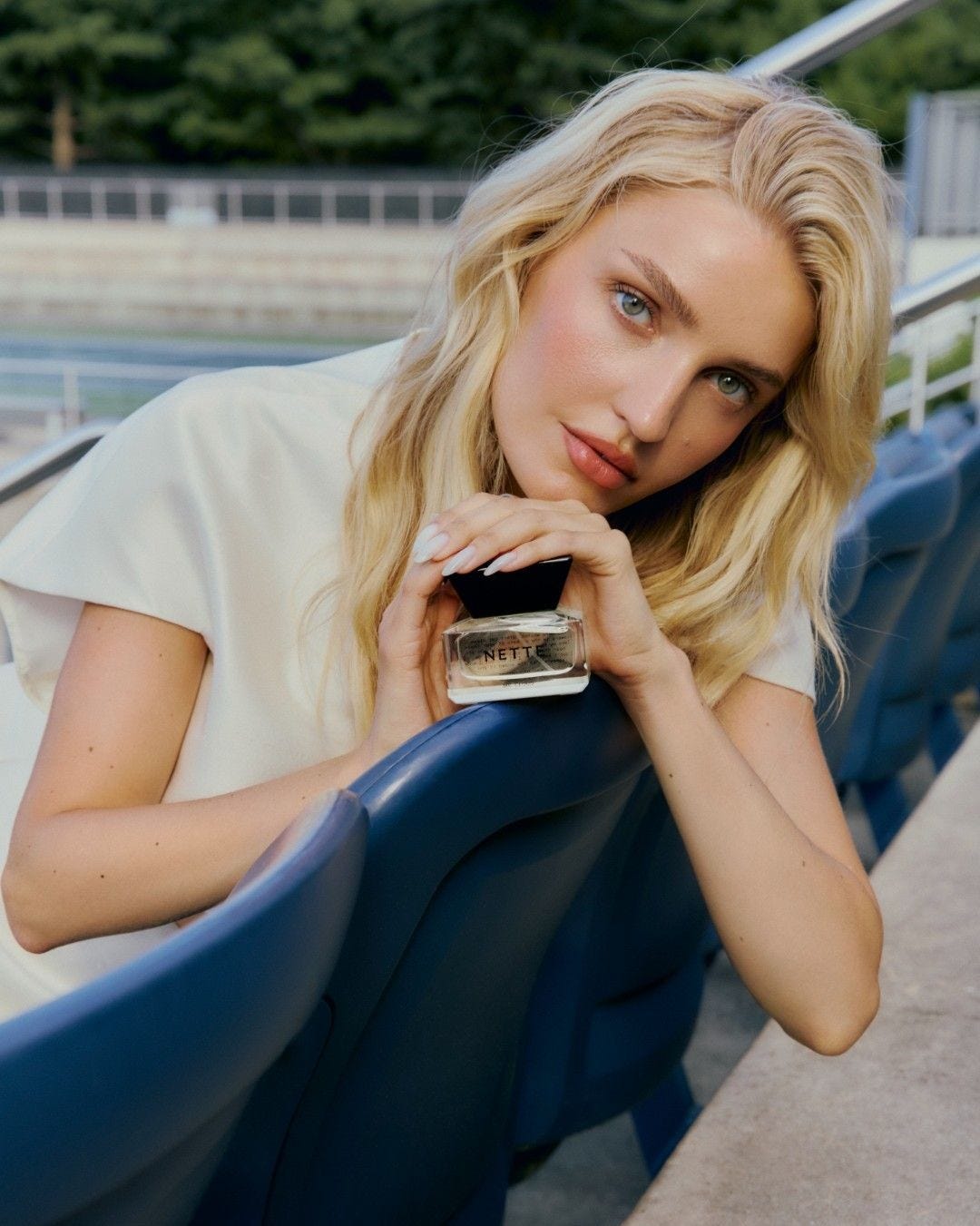
What happens when your personal brand revolves around WAG-dom but you’re no longer a WAG? Morgan Riddle presents an interesting case study.
After spending roughly five years traveling the ATP Tour with her then-boyfriend Taylor Fritz, Riddle managed to turn the access that came with the relationship into a substantial business of her own. She documented life on tour for an audience that, like her when she first met Fritz, often knew very little about tennis, explaining the basics of the sport while putting on makeup, showing off her outfits and taking viewers to her favorite restaurants and hotels in tournament cities around the world.
The formula worked. Tennis gave Riddle an unusually glamorous setting for what was, at its core, fairly traditional lifestyle influencer content, while Riddle gave followers who might not otherwise care about tennis a reason to pay attention to it. She also arrived at an extremely ripe moment, as tournaments were increasingly trying to position themselves as cultural events and fashion brands were discovering the commercial possibilities of the sport.
Riddle herself has been candid about where she started. In 2023, she told Town & Country that she knew “really, really” nothing about tennis when she and Fritz began dating and, despite attending college in New York, didn’t think she had ever heard of the US Open.
Nevertheless, within a few years, she became one of the most visible non-players in the sport. The New York Times notoriously dubbed her “The Most Famous Woman in Men’s Tennis,” a designation that would follow her through almost every profile thereafter. She hosted a social media series for Wimbledon, landed tournament-adjacent brand deals, and became a regular fixture in Fritz’s box.
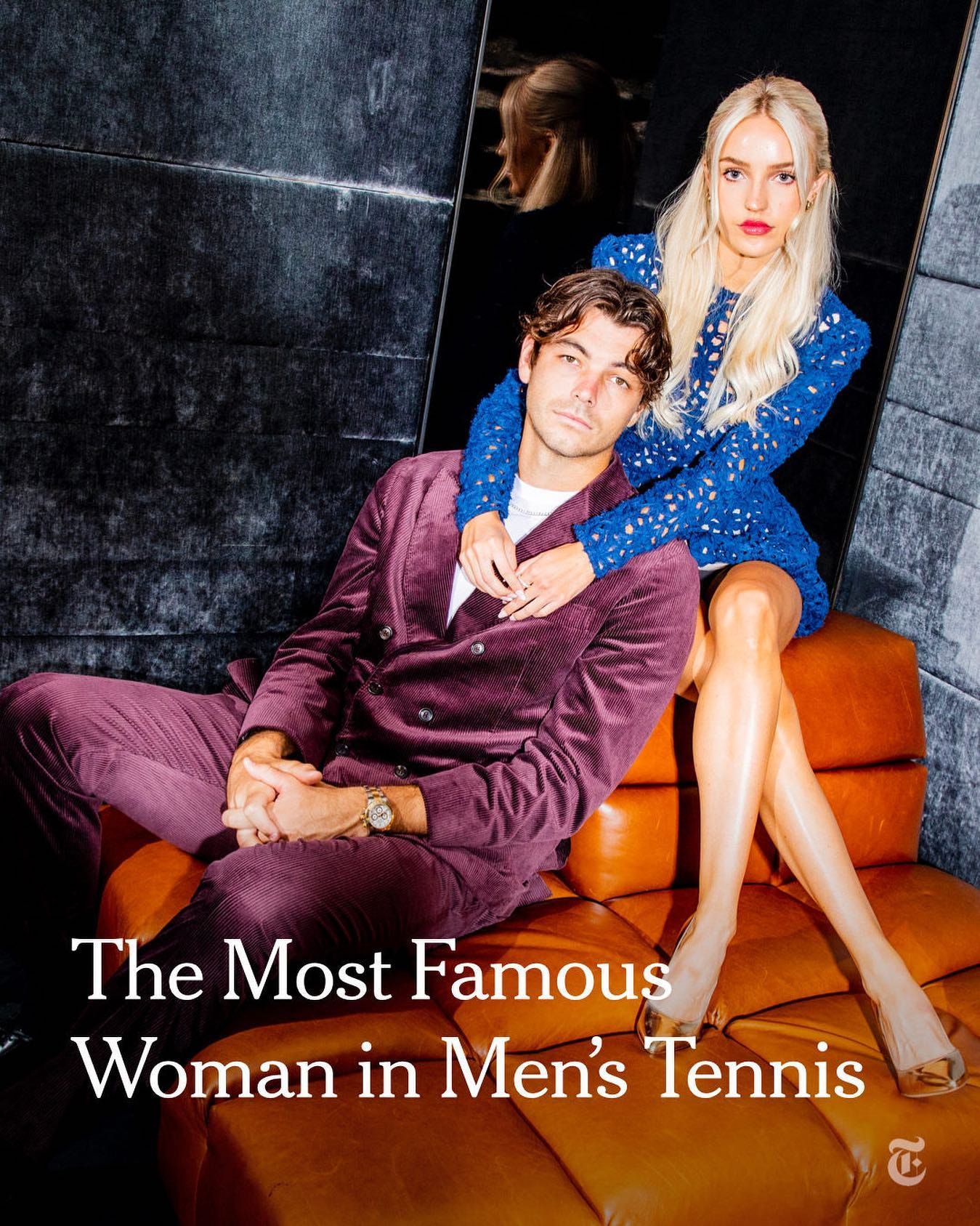
But there was always something a bit funny about Riddle becoming a tennis authority when, even after years traveling the tour, her interest seemed to lie primarily in everything surrounding the sport. Her content focused on the clothes, the travel, the tournaments as social experiences and, of course, life as a player’s girlfriend, rather than the sport itself.

There’s nothing wrong with that! Riddle found an angle that resonated with a passionate audience and built a successful business around it.
But it becomes more complicated when the proximity that built that business largely disappears just as Riddle begins positioning her understanding of tennis culture as broader expertise on the sport and its fans.
Keep reading for what Riddle’s new sports venture and very tennis-y perfume reveal about what happens when a brand built on proximity starts moving beyond it. Plus, how fluency in the culture around a sport is increasingly confused with expertise in the sport itself.
