


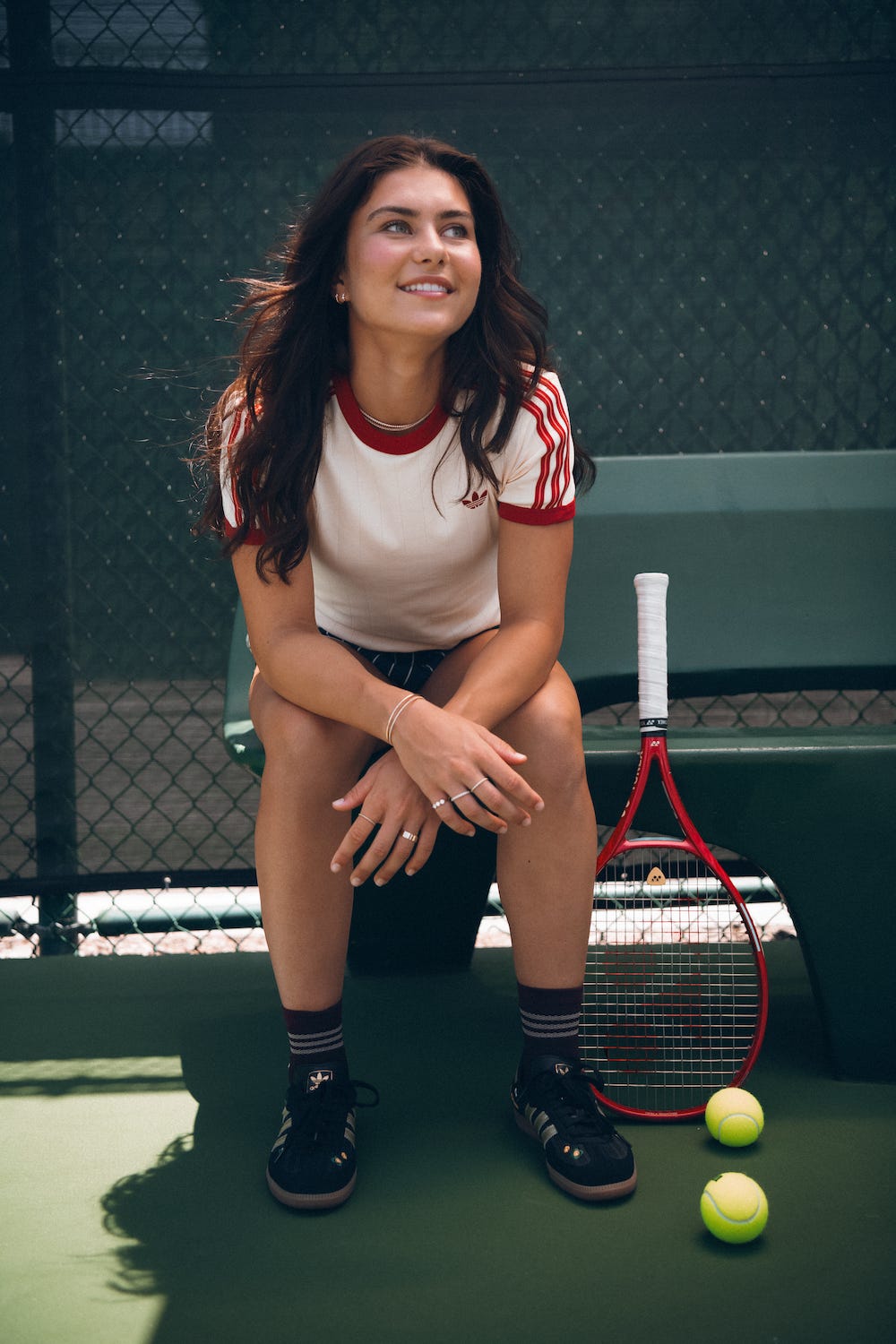
Things have been moving quickly for Iva Jovic. Just two years ago, the 18-year-old American made her tour-level debut as a wild card at the US Open. Since then, she’s won her first WTA title in Guadalajara, reached the Australian Open quarterfinals and climbed to a career-high No. 14 in the world, establishing herself as one of the most exciting young players in the sport.
The higher Jovic climbs, though, the more there is to manage beyond what happens on court. There’s the near-constant travel, of course, but also more people who know her name, more media requests and more brands interested in being associated with her. It’s a strange amount of life to accelerate through at 18, particularly for someone who is still experiencing many of the milestones of a professional tennis career for the first time.
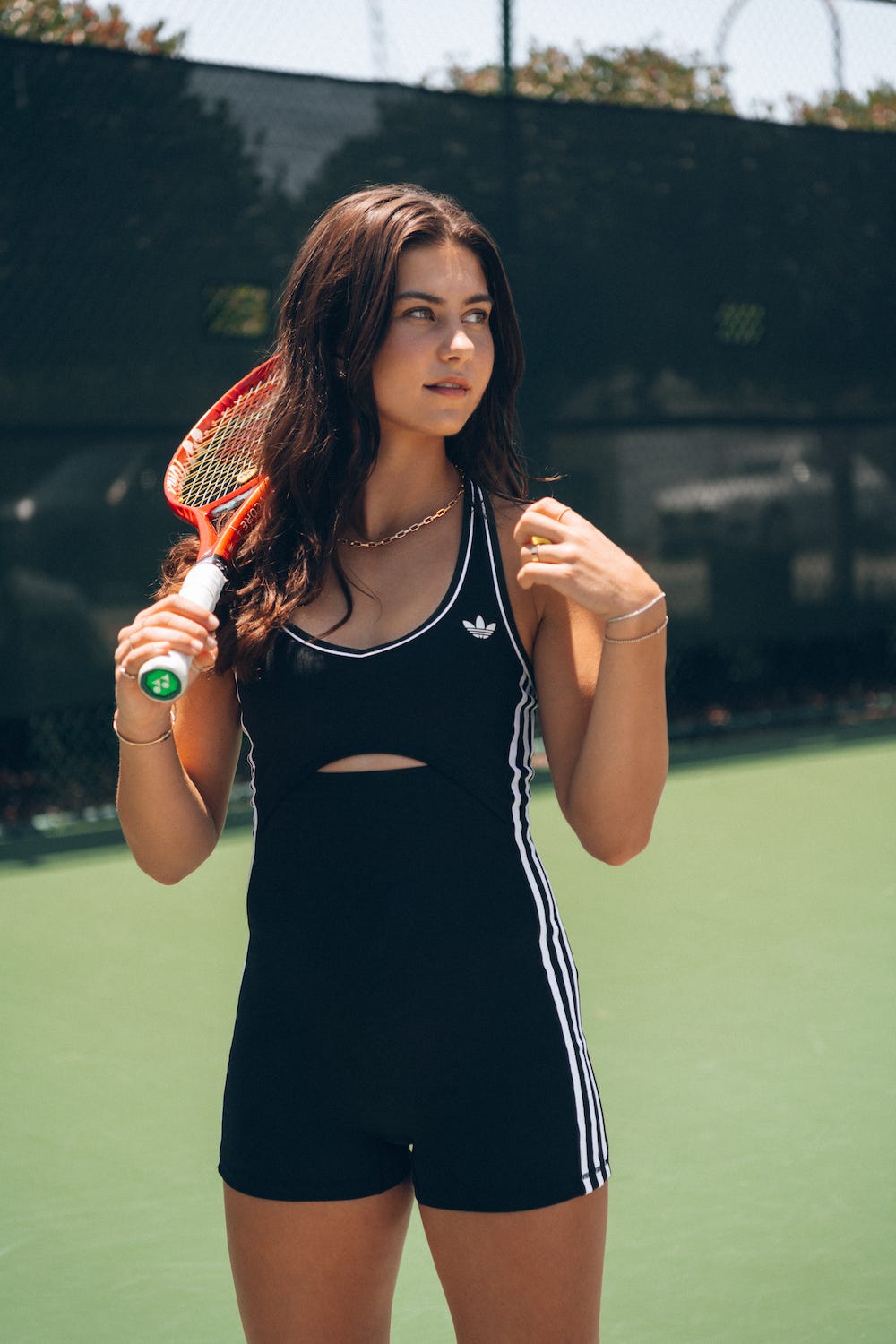
Her latest partnership was announced just before the US Open, when Jovic was named the newest member of the Gorjana Sports Club, joining fellow American Jessica Pegula in the jewelry brand’s growing roster of female athletes. Jovic grew up in Los Angeles and told Hard Court her interest in fashion started early, shopping and dressing up with her mom and older sister. The partnership comes at a point in her career when she’s beginning to think about how she wants to represent herself to a world just getting to know her.

Ahead of her first-round match against Magdalena Fręch today, Jovic and I spoke about learning to live on the road, realizing she could hang with the best players in the world, the strange experience of becoming increasingly recognizable and how she’s deciding which brands she wants to bring along for the ride.
You’re 18 and already playing a full professional schedule. What has been the biggest adjustment from junior tennis to life on the pro tour—whether that’s the travel, the level of competition, managing your schedule, or simply being away from home so much?
I would say that the biggest adjustment from going from the juniors to the pros is the constant travel. You don’t have to deal with as much of that in the juniors. As a pro, you really have to learn how to manage your schedule: your training, your matches, your personal life and really just find a balance between it all while you’re constantly moving from one place to another.
Was there a specific tournament or match when you first felt like, “Okay, I belong at this level”?
I don’t think there was one specific match where I felt like something clicked. But I think at the beginning of this year, when I was winning a lot of matches and climbing into the top 20 for the first time, after that run it really started to sink in. I felt like, “Okay, I can play here. My level is good enough that I don’t even need to play at the very best of my ability every single day to be competitive with these girls.”
Keep reading for Jovic on navigating newfound attention, what she’s looking for in the brands she puts her name behind, and why mentorship gets complicated when your mentors are also your competition.
