


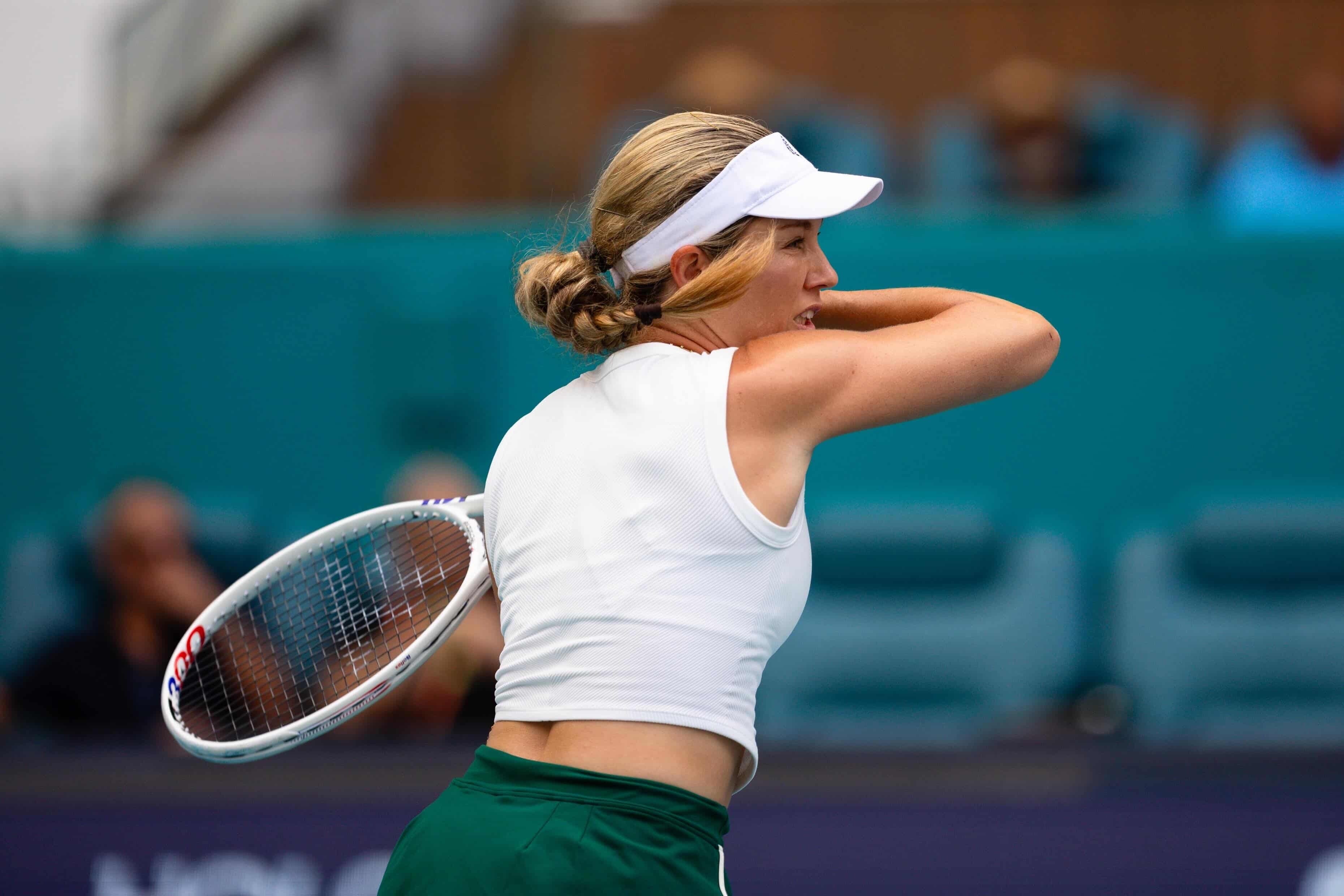
At the Cincinnati Open last year, Danielle Collins reached a breaking point with her low back pain, one of many sources of physical strife for the player throughout her career. Down a set and 0-2 in the second set tiebreak, she began crying, shouting up to her team, “Why is this happening to me? I’ve literally played the whole match with this pain.” She wiped tears off her face in between rallies and, after losing, left the court without her stuff.
Commentators were confused and fans were vicious in their response. One wrote on Reddit, “Collins is an embarrassment to tennis. She is a nasty player and I do not have a heart filled to the max with compassion and empathy for her.” People lauded Taylor Townsend for picking up Collins’ stuff and handing it to her team but didn’t stop to wonder why she might be feeling so generous towards the woman who just had a so-called “outburst” across the net.
The scene was so familiar to me, as someone who’s experienced years of debilitating chronic pain. Whatever healthy separation there is between journalist and player dissolved into acute understanding, images of my own guttural breakdowns echoing hers.
When you live in pain, you cry louder, with more anger and outrage than anyone who’s never been in constant pain can possibly compute. The emotional strain of perpetual discomfort—of pain imposing limitations on you—frays all your edges, so you move through the world like someone whose system has been repeatedly shocked, never quite feeling settled.
In a sport defined by individual performance, even that private pain can become part of the spectacle.
“I was in so much agony in that match and trying to power through, and I just started acting crazy,” Collins told me over the phone recently. “And then I got trolled online for ‘acting like a victim,’ because people who haven’t experienced this just can’t relate or empathize.”
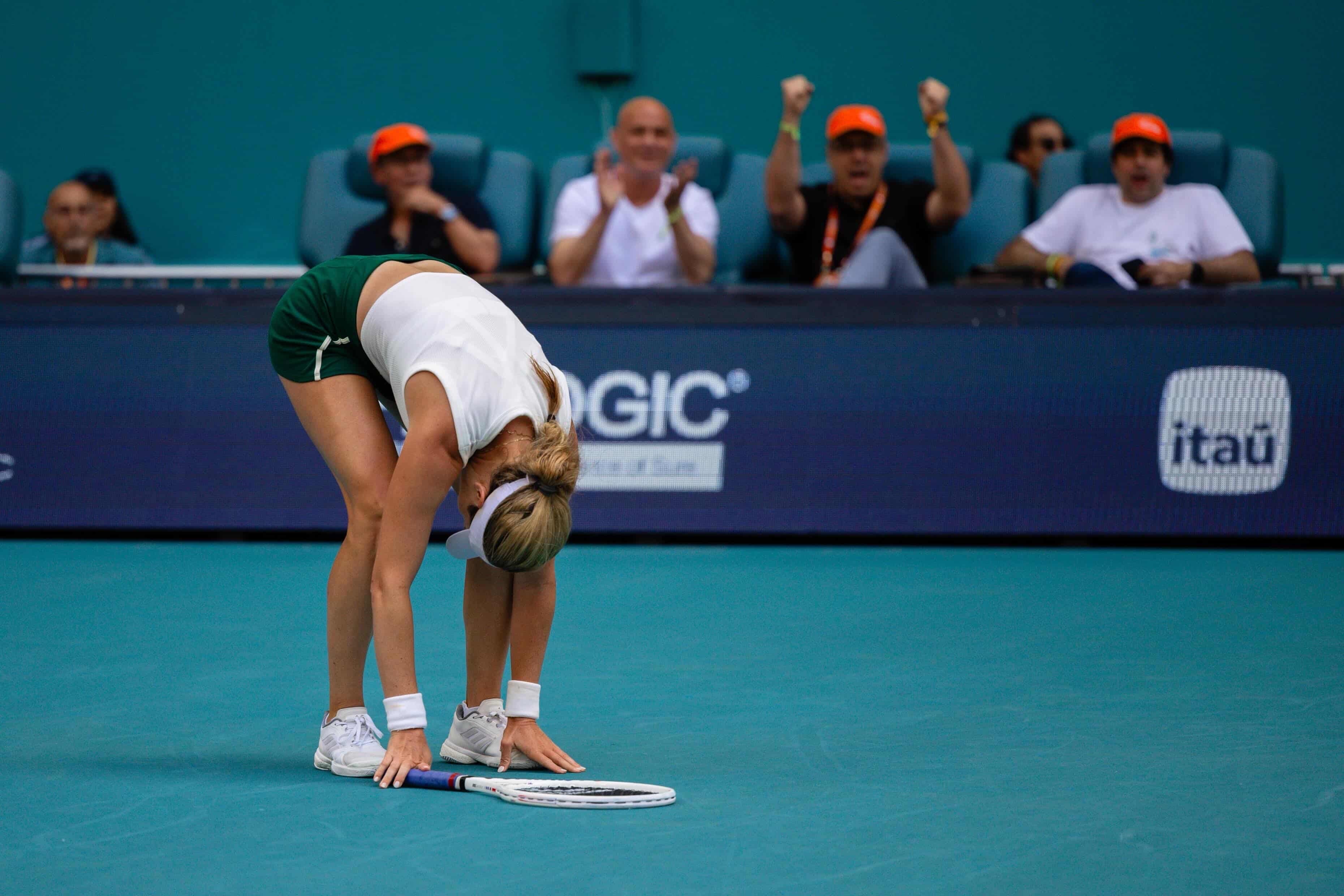
Last December, Collins announced that she’d be taking time off from the tour to recover from the herniated disc in her low back that drove her to tears on court and to freeze her eggs. A diagnosis of endometriosis in 2021 came after years of severe cramping and the condition has affected her fertility, ultimately leading her to postpone retirement plans in 2024 when it became clear that having children would be a longer road. She also has rheumatoid arthritis, as well as another disc herniation that causes pain in her neck—compounding an already complex physical reality.
Taken together, she said, those diagnoses have made for a challenging career. At times, she said, that has meant showing up to tournaments feeling “not even at 20 percent” physically and competing anyway.
Collins is careful not to attribute every flashpoint in her career to physical distress. Still, she believes the strain she has competed through for years has shaped the circumstances under which some of her most scrutinized moments unfold.
“I’m doing a job where I’m dependent on my body, and then having to channel all this physical and mental energy into it—that’s hard, too, because when you’re going through chronic pain, it’s not just the physical stuff that you’re dealing with, it becomes so mental and it can be really isolating,” she explained. “I’m 32 years old, and I only know a handful of people who deal with chronic pain.”
Continue reading with a paid subscription to Hard Court for the full story—including Collins on vulnerability, life off tour, when she’ll return to tennis, and how chronic pain has shaped her relationship with the sport.
