

The non-controversy behind Aryna Sabalenka’s Nike kit
The internet outrage misunderstands tennis marketing and the nuances of athlete contracts.

Hello from Paris! I always find that attending tournaments actually makes it infinitely more difficult to cover the sport because I’m no longer glued to my phone 24/7 and (drum roll) engaging in real conversation instead. As great as that is for my mental health, not being an iPhone gremlin means a lot slips through the cracks. But one non-story that became a story cut through my blissful IRL bubble and warranted my attention—let’s get into it.
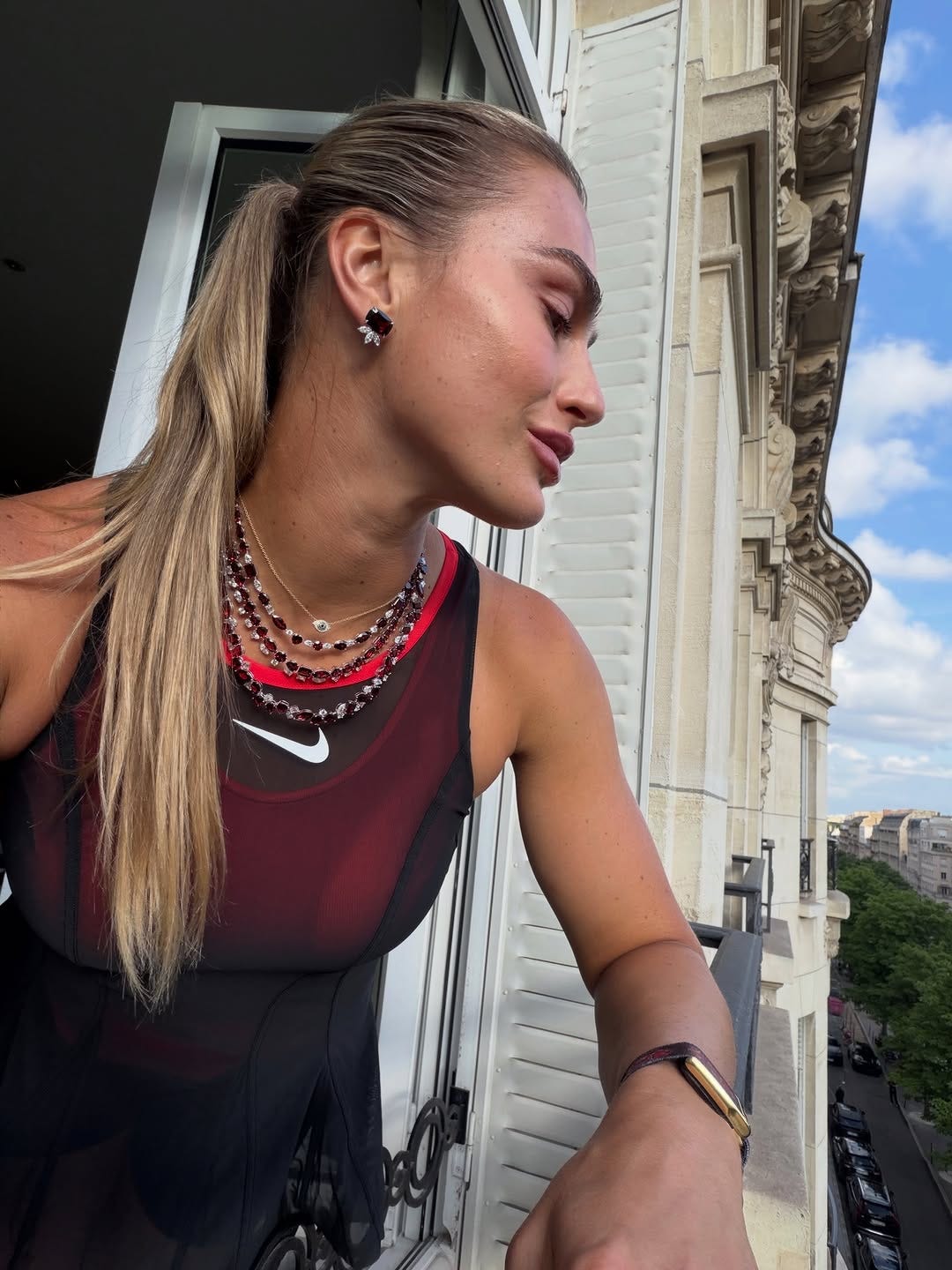
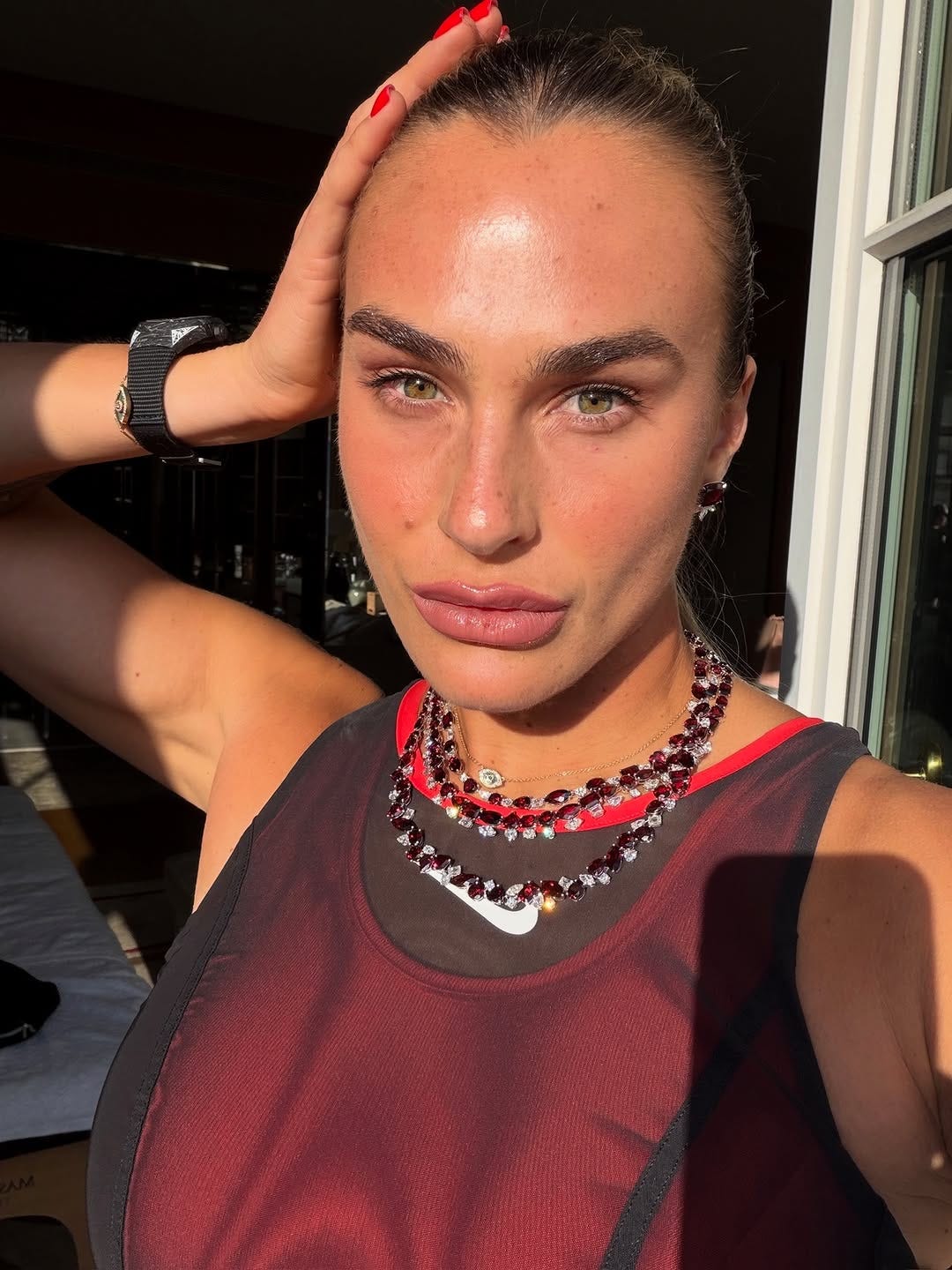
When Aryna Sabalenka debuted her Nike kit a few weeks ago on Instagram, fans were excited by the prospect of her wearing another custom kit—something that kicked off at the Australian Open this year after she publicly asked the Swoosh to step it up for her. The crimson onesie with black mesh laid over it was inspired by the idea of a “Clay Ballet,” per Nike, and was designed especially for Sabalenka.
But yesterday, when Russian tennis player Oksana Selekhmeteva (world No. 88) stepped on court wearing the same dress, fans were in a furor over the fact that Nike “let” someone else wear Sabalenka’s kit and a few publications even picked it up, leaning into the ragebait.


The truth is that there’s no real controversy here. The kit was put on sale ahead of the tournament because, like any smart brand, Nike wants to capitalize on the lead-up window. Even with Sabalenka as world No. 1 and a favorite to go deep, there’s no guarantee how long a player will stay in the draw, and a two-week tournament is a fairly narrow commercial window for a special kit.
“Most players would love to have their outfit sold at retail,” said one source familiar with Sabalenka and Nike’s relationship. “And she wants fans copying what she wears—that’s the whole point of sports marketing.”
Not putting a kit on sale ahead of a tournament is self-limiting. Fans wouldn’t be able to buy the kit and wear it to the tournament, as they did with her surf-inspired kit at the Australian Open, creating exactly the kind of organic marketing Nike wants. Groups of women wearing Sabalenka’s kit were captured all over social media throughout the tournament.
This isn’t the first time a special Nike kit was debuted on court by a different player first. In the weeks before the 2008 Australian Open, Daniela Hantuchova wore the dress Maria Sharapova was planning to wear at the Slam during the Medibank International. Luckily, Sharapova had two colors to choose from and ultimately opted for white instead of the sweat-revealing beige that Hantuchova wore. But legend has it she wasn’t pleased, and from that moment on, none of Sharapova’s kits were allowed to go on sale until she stepped on court.
That era of Nike Tennis also looked very different internally. Sources have pointed to the 2021 departure of longtime Nike creative officer Gino Fisanotti as a major shift for the brand’s tennis apparel philosophy and one of the reasons it hasn’t delivered of late. Fisanotti—who now works for Moncler—was widely viewed as one of the biggest champions behind the elaborate player-specific kits worn by stars like Serena Williams and Maria Sharapova—an approach that helped define Nike Tennis culturally but was also expensive and resource-intensive to sustain.
In other words, the Sabalenka rollout reflects a much different philosophy at Nike than the one that existed during the Serena and Sharapova years.
I’m told Sabalenka is not fazed by Selekhmeteva wearing her kit. She and her team are more likely delighted by the fact that it’s almost entirely sold out and has been for days. (I checked last Friday and, like today, only XL sizes remained in stock.) What better validation is there for Nike’s merchandising strategy than a near sellout before the tournament is even close to over? At least they’re getting something right.
But when we compare Sabalenka’s kit situation to Sharapova or, as is often the case, Naomi Osaka, it’s important to note that their contracts have/had different stipulations. Osaka’s team had custom kits written into her Nike contract long before they became such intense fodder for fan discussion. Like Sharapova, Osaka has her own Nike collection and earns royalties on sales of that clothing. But when Osaka debuts her latest Nike kit tomorrow in Paris, it will not be sold at retail at all—a reflection of the more exclusive structure of her apparel deal with the brand.
Sabalenka’s contract does not currently include those same provisions, though a source familiar with the discussions tells me her team is pushing Nike to adjust it so it’s more in line with her ranking and fandom.
However, I’ve been told by multiple sources over the past year that Nike will never approve a contract like Osaka’s again. With Fisanotti gone, the company’s approach to tennis apparel is simply very different now. Plus, creating truly custom kits is time-consuming and expensive, and they’re often difficult to develop at a price point that makes sense for the mass market.
“Tennis is so niche that nobody is making big money on tennis clothes alone,” said one agent who’s worked with Nike. “You can make money on a signature shoe, but everything else is peanuts, so getting a brand to create lifestyle wear for a player collection is more lucrative.”
At the end of the day, custom kits are not a cash cow—they’re a marketing tool used to position players in a certain light (i.e. they’re fashionable, edgy, classy, etc.) and drum up hype around their appearances. Just think about how much suspense there is leading up to an Osaka kit reveal.
That’s also why fans reacted so strongly to Selekhmeteva wearing Sabalenka’s dress in the first place. Tennis kits are no longer viewed purely as performance apparel—they’re becoming part of player mythology. Even as Nike has grown more pragmatic about the economics of custom apparel, moments like this show the cultural power those kits still hold.
Thanks for reading! If you have tennis news or tips to share, email jessica@hard-court.com. For regular updates, follow Hard Court on Instagram.
P.S. Hard Court is built on independent reporting and analysis. If you refer to our content in your work, please cite the source. I really appreciate it!