


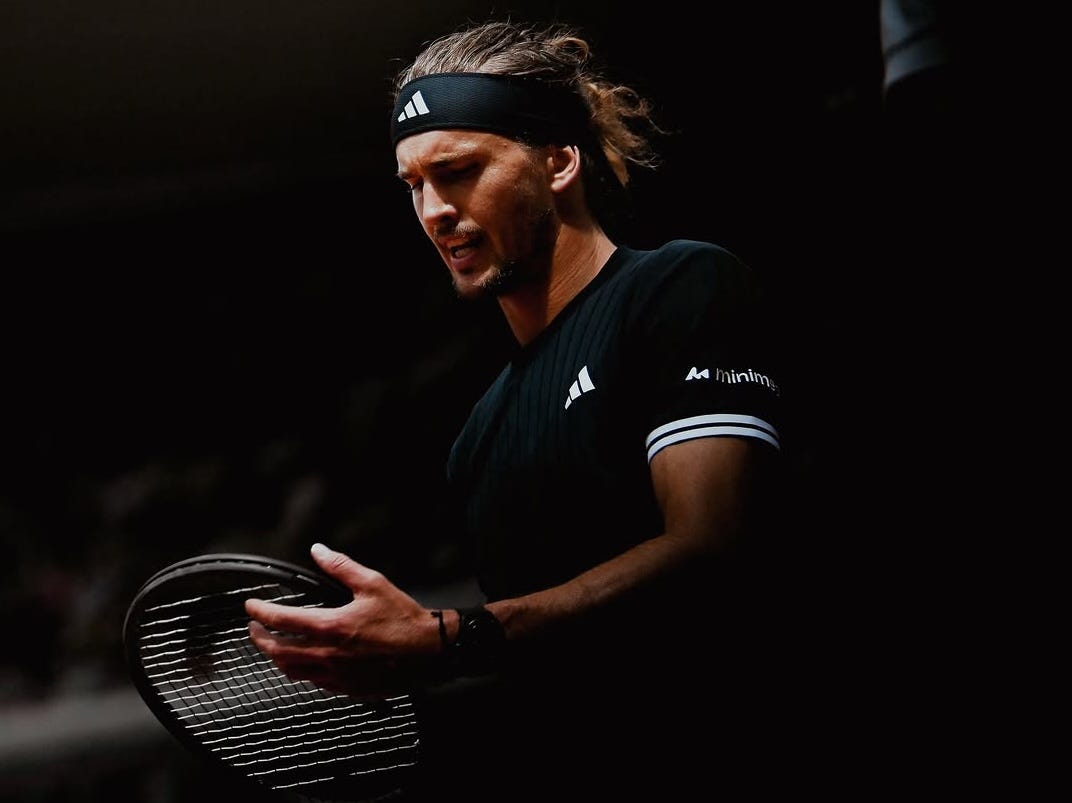
Earlier this week, Jacob & Co., one of Alexander Zverev’s sponsors, reached out to see whether I’d be interested in doing a paid Instagram post1 around him and his watch partnership. I declined.
I mention that not to collect morality points, but because the request neatly illustrates the dilemma at the center of Zverev’s career: few players have achieved as much while creating so much tension for the people tasked with marketing them.
As you guys know, I’ve been fairly outspoken about not wanting to go out of my way to support Zverev given the domestic violence allegations that have followed him for years. But the interaction did get me thinking about something I suspect a number of companies orbiting tennis have quietly wrestled with over the past several seasons: what exactly do you do when one of the best players in the world is also one of its most polarizing?
From a purely commercial perspective, Zverev should be an easy sell. He is a perennial top player, an Olympic gold medalist, a Grand Slam finalist, and one of the most recognizable faces in men’s tennis. Some people, inexplicably, find him attractive. He has a compelling personal story through his Type 1 diabetes diagnosis and advocacy work, represents Germany—one of tennis’s most important markets—and is polished enough to move comfortably between sports, fashion, and lifestyle campaigns.
Those are precisely the qualities brands typically look for when deciding which athletes deserve bigger contracts, larger campaigns, and more prominent roles within their marketing strategies.
And yet Zverev has never felt like a player brands fully embrace in the way they do tennis’s other top athletes. Despite his resume, there has often been a noticeable gap between his sporting achievements and the enthusiasm with which companies market him.
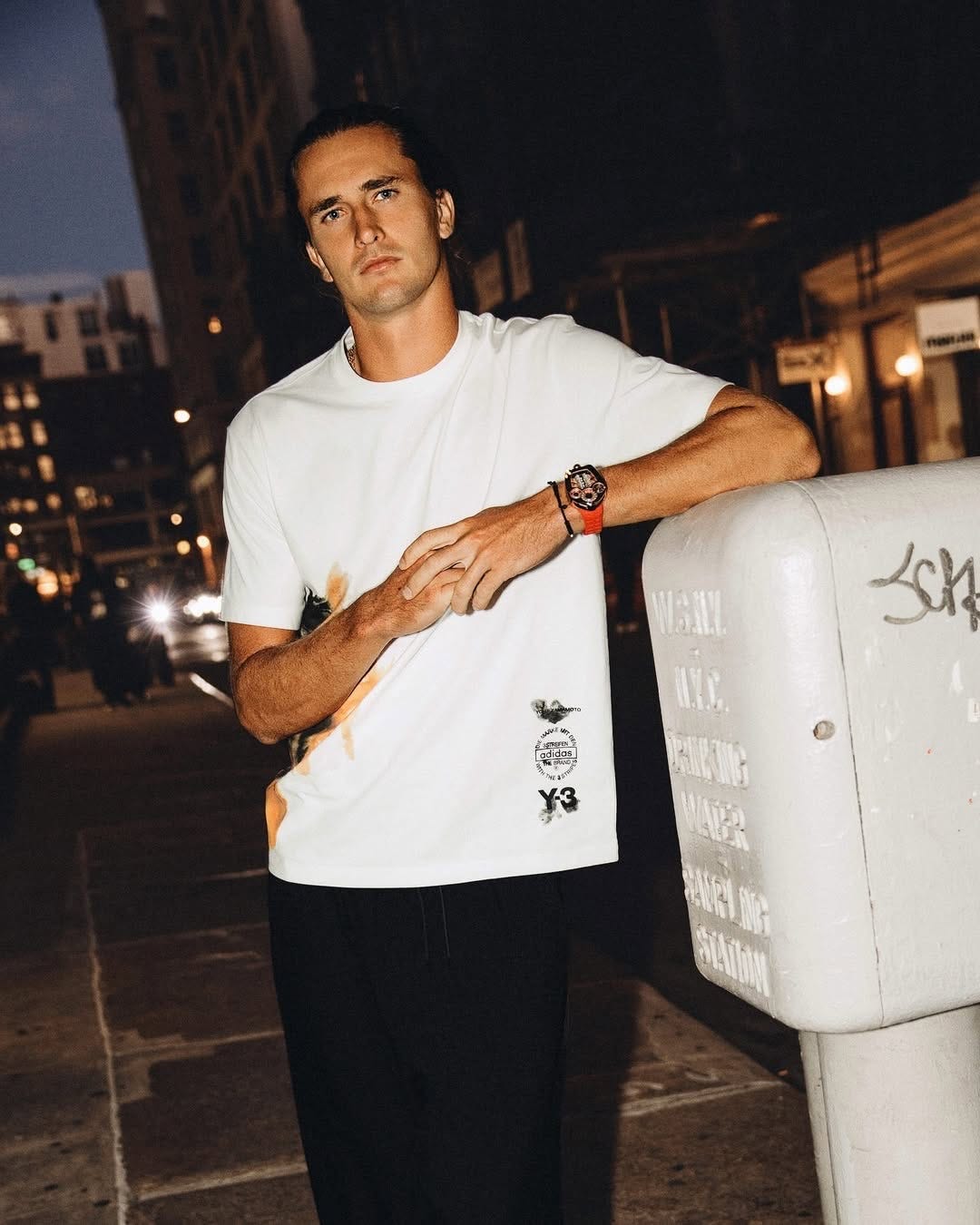
The reason, of course, is obvious.
In 2020, Zverev’s former girlfriend Olya Sharypova publicly accused him of domestic abuse. Zverev denied the allegations and Sharypova did not pursue criminal charges. A subsequent ATP investigation concluded there was insufficient evidence to substantiate the claims.
Then came a second case.
In 2024, Zverev reached a settlement in a German court case involving allegations brought by his former partner Brenda Patea, the mother of his child. The case was discontinued after a settlement was reached. The Tiergarten District Court in Berlin told The Athletic that the decision did not constitute a verdict regarding guilt or innocence. Zverev agreed to pay €200,000, with the majority of the money going to the state treasury and the remainder to nonprofit organizations. His attorneys emphasized that the settlement was not an admission of guilt and that the presumption of innocence remained intact.
Legally, the matter may be closed. But, commercially, it remains very much alive. So, too, does it within tennis fandom, where many of the sport’s most engaged followers continue to view Zverev through the lens of the allegations and believe tennis authorities should have done more to hold him accountable.
Sign up for a paid subscription to read about Zverev’s uneven sponsorship journey, how some longtime partners have marketed him cautiously, and why a French Open title could become a defining test for brands.
